
Key Takeaways:
-
Strengthen doors and windows with quality locks, reinforced frames, and child-safe window security to prevent easy break-ins.
-
Invest in a reliable security system, including monitoring, motion sensors, and child-friendly zones, to detect and respond to threats.
-
Use proper lighting—motion-activated, pathway, and porch lights—to deter intruders and improve safety for family members.
-
Teach children safety protocols, including emergency numbers, safe zones, stranger awareness, and check-in routines.
-
Secure smart devices by updating passwords, using strong Wi-Fi security, enabling two-factor authentication, and limiting remote access.
-
Maintain consistent safety habits, such as locking doors, avoiding obvious spare key locations, and securing valuables.
-
Build a strong community network through neighborhood watch programs, communication with neighbors, and family safety education.
Keeping your home safe is more than just locking doors—it’s about creating a secure environment where children and adults alike feel protected. Whether you live in a busy city or a quiet suburb, having a solid home security plan is essential. Below, we explore ten practical tips to help families enhance safety and prevent potential dangers.
1. Strengthen Doors and Windows
Doors and windows are the first line of defense for your home. Simple upgrades can make a huge difference in keeping your family safe. Consider the following steps:
Install deadbolt locks:
A sturdy deadbolt is far more secure than a standard spring latch lock, which can often be forced open with simple tools. For optimal security, use a single-cylinder deadbolt with a reinforced strike plate, and make sure the bolt extends at least one inch into the door frame. Every exterior door—including side and back doors—should have a deadbolt installed. Consider adding a double-cylinder deadbolt for doors with glass panels nearby, as these require a key to unlock from both sides, preventing intruders from breaking the glass and reaching in.
Use reinforced doors:
Not all doors are created equal. Hollow-core doors, commonly used indoors, are easy to break through and offer little protection. Replacing exterior doors with solid-core wood, metal, or fiberglass doors dramatically improves security. Look for doors that have been tested for forced entry and are rated by security standards such as ANSI/BHMA Grade 1. Reinforced steel doors with insulated cores not only resist break-ins but also provide better energy efficiency and noise reduction.
Secure windows:
Windows are a common point of entry, especially on the ground floor or near accessible balconies. Sliding or casement windows can be strengthened with a metal rod, dowel, or lock bar placed in the track to prevent them from being forced open. Installing shatterproof or security film adds an extra layer of protection, making glass harder to break and delaying potential intruders. For families with young children, consider window locks that are childproof but easy for adults to operate during emergencies.
Check for weak points:
Even the most advanced locks can fail if the door frame, hinges, or surrounding structure is weak. Inspect each door for signs of wear, gaps, or splintering, and reinforce frames with longer screws (at least 3 inches) and high-quality hardware. Ensure that hinges are mounted on the secure side of the door (typically the interior) and consider installing hinge bolts on outward-opening doors to prevent them from being removed. Regular maintenance of these components ensures that your doors remain a strong first line of defense.
These measures can significantly reduce the likelihood of break-ins and give parents peace of mind, especially in areas with higher crime rates.
2. Install a Reliable Security System
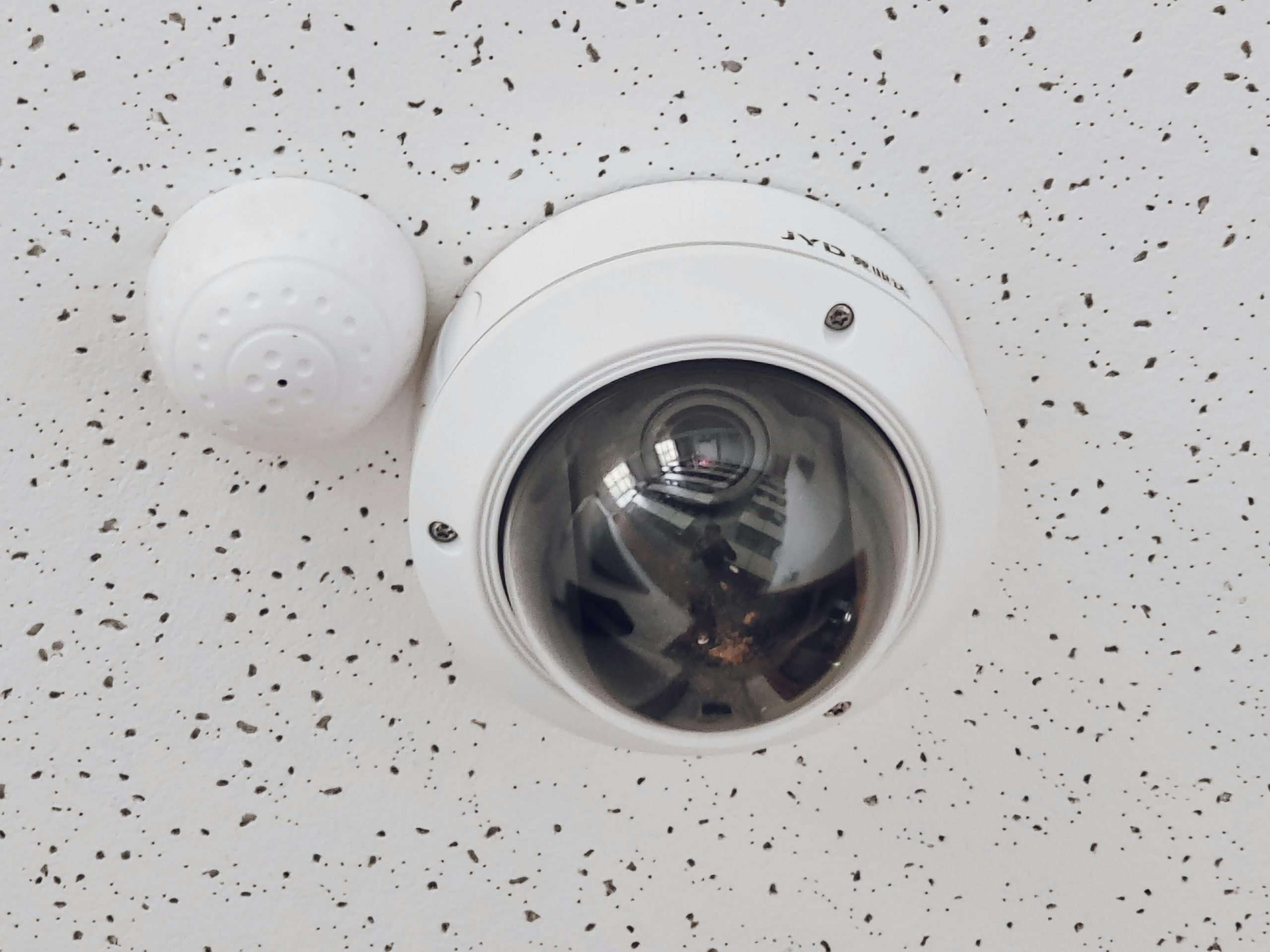
A professional security system is an investment in your family’s safety. Modern systems go beyond traditional alarms and can be tailored for families with children. Here’s what to consider:
-
24/7 monitoring: Choose a system that alerts you and the authorities if there’s a breach.
-
Smart home integration: Some systems allow you to monitor doors, windows, and cameras from your smartphone.
-
Motion sensors: Place sensors in entryways and hallways to detect any unusual movement.
-
Child-friendly zones: Some systems allow you to set up specific areas where children spend time, alerting you if a door is opened unexpectedly.
Even if you aren’t ready for a full setup, there are ways to improve home security without renovation using wireless cameras and motion detectors. These devices are simple to install, affordable, and highly effective.
3. Keep the Exterior Well-Lit
Lighting is a simple yet powerful deterrent. Criminals are less likely to target homes that are well-illuminated. Here are a few tips:
Motion-activated lights:
These lights are a simple yet highly effective way to deter intruders. They automatically turn on when someone approaches your home, surprising potential burglars and drawing attention to their presence. For maximum coverage, place motion sensors near entrances, garages, and dark corners of your property. Opt for adjustable sensitivity settings to prevent false alarms from pets or passing cars, and choose LED or energy-efficient bulbs for long-lasting performance without high electricity costs.
Pathway lighting:
Properly lit pathways not only improve safety for your family but also enhance curb appeal. Illuminate walkways, driveways, and staircases to prevent trips and falls, especially for children or elderly family members coming home at night. Consider low-voltage LED lights or solar-powered options for an eco-friendly setup. Spacing the lights evenly along the path ensures consistent visibility, and adding timers or smart controls allows you to manage lighting efficiently.
Porch lights:
Front and back porch lights are a key element of home security. A well-lit porch discourages sneaky visitors from approaching your doors unnoticed. Install bright, warm-toned LED lights above each entryway and consider using smart bulbs that can be scheduled or controlled remotely. Motion sensors can also be added to porches to alert you when someone is nearby. For extra security, keep the area around doors clear of obstructions so that the lights illuminate any activity effectively.
For families with small children, proper lighting also reduces the risk of accidents when playing outside or heading to the car at night.
4. Teach Children About Safety
One of the most important aspects of home security is making sure children know what to do in different scenarios. Age-appropriate guidance helps them respond calmly and safely.
-
Memorize emergency numbers: Ensure children know how to contact local authorities and trusted adults.
-
Safe zones: Teach children areas in the house that are safe in case of emergencies, like a locked bedroom or a basement room.
-
Stranger awareness: Teach kids not to open doors or speak to strangers. Role-play different scenarios to reinforce lessons.
-
Check-ins: If your children have access to devices, encourage them to check in when leaving or entering the home.
When children understand safety protocols, it strengthens the overall security of your home.
5. Secure Smart Devices
Smart home technology is incredibly convenient, but it can also create vulnerabilities if not properly secured. Here’s what you can do:
-
Change default passwords: Many devices come with default login credentials—always update them.
-
Use strong Wi-Fi passwords: Secure your network to prevent hackers from accessing your devices.
-
Two-factor authentication: Enable this whenever possible for added protection.
-
Limit remote access: Only allow trusted users to control smart locks, cameras, or other devices.
Smart devices are especially useful for families, letting you check who’s at the door, monitor children’s rooms, or even simulate occupancy when you’re away.
6. Implement Outdoor Safety Measures

The exterior of your home is just as important as the interior. Beyond lighting, several outdoor precautions can enhance security.
-
Trim bushes and trees: Overgrown foliage can give intruders a place to hide.
-
Fencing: A well-maintained fence creates a physical barrier and adds privacy.
-
Secure gates: Keep gates locked and consider self-closing mechanisms.
-
Surveillance cameras: Place cameras at entry points and blind spots to monitor activity.
Even small changes in landscaping can improve curb appeal while also making your property less attractive to potential intruders.
7. Practice Safe Habits
Many security breaches occur because of overlooked habits rather than physical vulnerabilities. Families can stay safer by developing consistent routines:
-
Lock doors and windows: Make this a habit every time someone leaves the house.
-
Avoid hiding spare keys: Burglars know common hiding spots, so give a spare key only to a trusted neighbor.
-
Secure valuables: Keep expensive electronics, jewelry, and important documents in a safe or hidden area.
-
Check visitors: Use a peephole or video doorbell before opening the door.
Teaching children these habits early helps instill a sense of responsibility and awareness about home security.
8. Create an Emergency Plan
Being prepared for emergencies is critical for families. An emergency plan ensures everyone knows what to do in case of fire, break-in, or other hazards.
-
Designate meeting spots: Outside the home, have a safe place where the family can gather.
-
Practice drills: Run fire, earthquake, or intruder drills so everyone is familiar with the process.
-
Emergency kits: Keep supplies like flashlights, first-aid kits, and bottled water easily accessible.
-
Communication plan: Make sure everyone knows how to contact each other if separated.
Having a plan reduces panic and helps children feel confident in responding to unexpected situations.
9. Review Your Security Regularly
Security isn’t a one-time setup—it requires ongoing evaluation. Make it a habit to review your home’s safety measures periodically.
-
Inspect locks and alarms: Check that all devices are functioning properly.
-
Update software: Keep security system software and smart devices up-to-date.
-
Assess vulnerabilities: Walk around your property as if you were an intruder and identify weak points.
-
Consider upgrades: Even small improvements like motion lights or additional cameras can make a big difference.
Some families even combine home improvements with security updates. For example, during a whole house remodeling project, it’s a smart opportunity to add stronger doors, security cameras, and better lighting.
10. Foster Neighborhood Awareness
Your neighborhood can be one of your best allies when it comes to home security. Engaging with your community helps everyone stay alert and informed.
-
Neighborhood watch: Participate in or start a watch program to share updates on suspicious activity.
-
Communicate with neighbors: Let trusted neighbors know if you’re away and ask them to watch your home.
-
Share tips: Exchanging advice about child safety, break-ins, and security upgrades benefits the whole area.
-
Host family safety events: Work with neighbors to teach children about personal safety and emergency responses.
A connected community acts as an extended security network, providing additional peace of mind.
Wrapping It Up
Keeping your home safe for your family doesn’t have to be complicated or expensive. By strengthening doors and windows, investing in a reliable security system, teaching children about safety, and practicing good habits, you can dramatically reduce risks. Regular reviews, emergency plans, and neighborhood involvement further enhance security and create a protective environment where children can thrive.
From simple lighting upgrades to smart technology and neighborhood collaboration, these strategies collectively build a robust safety net. By implementing these ten home security tips, families can enjoy peace of mind knowing they’ve taken concrete steps to protect what matters most.