
Remodeling a lake house presents a unique opportunity to blend relaxation, functionality, and long-term durability into one cohesive plan. Unlike traditional homes, lake properties face distinct environmental factors such as higher humidity, fluctuating water levels, seasonal occupancy, and increased exposure to pests and moisture. These conditions require homeowners to think beyond aesthetics and carefully evaluate structural integrity, material performance, and system reliability. A practical approach to lake house remodeling begins with a clear understanding of what the property truly needs versus what simply feels like an upgrade. By starting with a comprehensive assessment and realistic expectations, you can avoid costly surprises and create a space that feels both refreshed and resilient.
Lake homes often serve multiple purposes. Some function as vacation retreats, while others transition into year-round residences. This dual role means remodeling plans must balance comfort with durability. Finishes that look beautiful in a design showroom may not withstand waterfront conditions. Mechanical systems that work well in suburban neighborhoods may need reinforcement near a shoreline. Planning should involve evaluating the foundation, roofing, insulation, plumbing, and interior features before moving on to cosmetic improvements.

Assessing the Condition of Your Lake House
Before making design decisions, the first step in remodeling is evaluating the current condition of the home. Lake houses are often subject to moisture intrusion, shifting foundations, and seasonal wear. A thorough inspection helps identify hidden concerns that could compromise future upgrades. This includes checking crawl spaces for dampness, inspecting windows and doors for drafts, and reviewing insulation levels. It is also important to examine flooring and wall materials for signs of warping or mold growth. Taking time to assess these elements ensures that improvements are built on a solid and stable base.
More specifically, lake properties can face pest-related issues that may go unnoticed until remodeling begins. Seasonal homes, in particular, can become vulnerable to infestations during vacant months. Scheduling bed bug control early in the process can prevent costly disruptions later. Addressing pest concerns before installing new finishes protects your investment and reduces the likelihood of tearing out recently completed work. In addition, documenting structural and environmental issues allows contractors to provide accurate estimates and timelines. A careful assessment phase helps homeowners prioritize necessary repairs while laying the groundwork for successful cosmetic and functional upgrades.
Setting a Realistic Remodeling Budget
Creating a practical budget is essential when remodeling a lake house. Waterfront properties often require specialized materials and labor, which can increase overall costs. Beyond construction expenses, homeowners must account for permits, inspections, contingency funds, and potential structural reinforcements. Establishing a detailed budget at the outset helps guide decisions about where to allocate resources. It also encourages thoughtful trade-offs between high-impact upgrades and optional enhancements. A realistic financial plan reduces stress and helps keep the project aligned with long-term goals.
On a more specific level, budgeting should also account for interior furnishings and comfort upgrades that complete the remodeling process. For example, once structural improvements and cosmetic updates are finalized, homeowners may explore options from local mattress stores to furnish bedrooms that enhance rest and relaxation. Factoring these finishing touches into the overall budget prevents overspending late in the project. Additionally, setting aside a contingency reserve for unexpected repairs, especially in older lake homes, provides financial flexibility. By planning carefully and anticipating both structural and lifestyle expenses, homeowners can move forward with confidence and maintain control over their remodeling investment.
Prioritizing Structural Repairs and Safety
When remodeling a lake house, structural integrity should always come before cosmetic upgrades. Waterfront homes are exposed to shifting soil, elevated moisture levels, and seasonal storms that can affect foundations, framing, and exterior systems. Addressing these concerns early helps prevent larger complications later in the project. Structural repairs may include reinforcing support beams, correcting uneven flooring, repairing damaged siding, or replacing compromised decking. These improvements not only protect the home but also create a stable base for any interior enhancements that follow. A remodel built on sound structure will last longer and perform better under the unique pressures of a lakefront environment.
More specifically, the roof plays a critical role in maintaining safety and preventing water intrusion. Consulting a qualified roofer during the early planning stages allows homeowners to identify damaged shingles, flashing issues, or ventilation concerns that may otherwise go unnoticed. Even small roofing deficiencies can lead to leaks, mold growth, and insulation damage, particularly in humid lakeside conditions. Addressing roof repairs before interior work begins protects newly renovated spaces from moisture damage. In some cases, a full roof replacement may be the most practical long-term investment. Prioritizing roofing and structural stability ensures that every subsequent upgrade is supported by a durable and secure framework.
Upgrading Roofing and Exterior Protection
The exterior of a lake house acts as its first line of defense against wind, rain, sun exposure, and fluctuating temperatures. Remodeling efforts should include evaluating siding materials, gutters, drainage systems, and exterior sealants. Durable materials that resist moisture and corrosion are especially important near water. Fiber cement siding, treated wood, and weather-resistant composites can extend the lifespan of the structure while maintaining visual appeal. Exterior upgrades also improve energy efficiency by sealing gaps and reducing drafts. These enhancements help regulate indoor temperatures and reduce strain on heating and cooling systems.
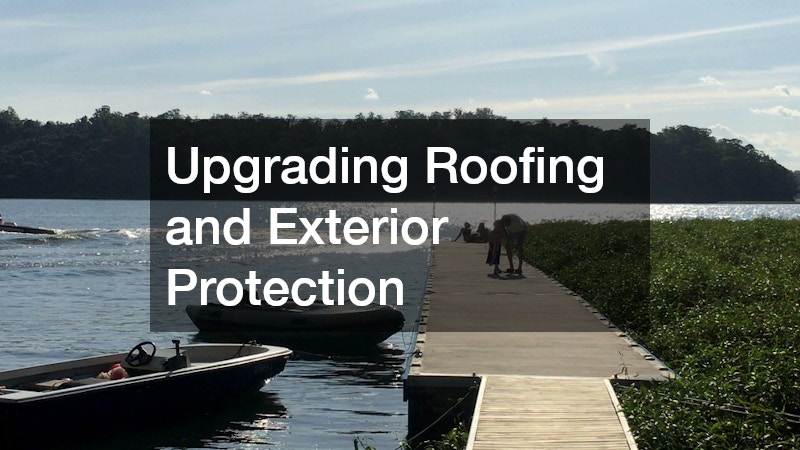
For lake properties with waterfront access, attention to shoreline structures is equally important. Over time, docks can experience wear from constant water exposure, changing water levels, and seasonal freezing and thawing cycles. Planning for dock repair during the remodeling process protects both safety and property value. Loose boards, unstable supports, and corroded hardware can create hazards if left unaddressed. By incorporating dock improvements into the overall exterior renovation plan, homeowners maintain consistent aesthetics and structural reliability. A well-maintained dock not only enhances functionality but also complements the refreshed appearance of the remodeled lake house.
Improving Plumbing and Water Systems
Water management is a central consideration in any lake house remodel. Homes near water often rely on specialized systems for filtration, drainage, and supply. Plumbing upgrades may include replacing outdated pipes, improving drainage systems, and installing water-efficient fixtures. Modernizing these systems enhances performance while reducing the risk of leaks and water damage. Given the proximity to natural water sources, careful planning helps protect indoor air quality and structural components from excess moisture.
On a more detailed level, homeowners should consult a licensed plumber to evaluate both supply lines and wastewater systems. In some cases, upgrading to a reverse osmosis filtration system can improve water quality by removing impurities commonly found in lake-adjacent properties. Addressing plumbing improvements early in the remodeling process allows contractors to access walls and flooring before finishes are installed. This approach reduces the need for costly rework later. By investing in updated plumbing and water treatment systems, homeowners create a healthier and more reliable living environment that supports long-term comfort and peace of mind.
Enhancing Heating and Cooling Efficiency
Comfort plays a major role in how much you enjoy your lake house, especially if you plan to use it year-round. Waterfront homes often experience temperature fluctuations due to open layouts, large windows, and exposure to wind off the water. As part of a remodel, evaluating insulation, ductwork, and ventilation can significantly improve energy efficiency and indoor comfort. Sealing gaps around doors and windows, upgrading attic insulation, and installing programmable thermostats are foundational steps that help regulate indoor temperatures and reduce energy waste.
On a more specific level, mechanical systems should be carefully inspected to confirm they are properly sized and functioning efficiently. Scheduling ac repair during the remodeling process can address performance issues such as weak airflow, inconsistent cooling, or unusual noises. In older lake houses, outdated units may struggle to handle humidity levels common near water. Replacing or repairing cooling equipment before completing interior upgrades prevents damage to newly installed drywall or flooring caused by condensation or system leaks.

Addressing Pest and Moisture Concerns
Lake environments naturally attract insects and wildlife, which makes pest prevention a critical part of remodeling. Moisture from nearby water sources can create conditions that allow pests to thrive, particularly in crawl spaces, attics, and storage areas. Remodeling presents an opportunity to seal entry points, repair damaged screens, and upgrade weatherstripping. Improving ventilation and installing vapor barriers also reduces excess humidity that can contribute to mold growth and structural deterioration. Addressing these concerns early prevents recurring problems that could undermine your renovation investment.
More specifically, coordinating with a professional pest control service can help identify vulnerabilities unique to your property. Experts can assess areas where insects or rodents may be entering and recommend targeted treatments or preventive strategies. Integrating pest management into your remodeling plan avoids the need to disturb newly finished surfaces later. For seasonal homes, establishing a maintenance schedule reduces the risk of infestations during vacant months.
Modernizing Kitchens and Living Spaces
Interior remodeling often focuses on shared spaces where family and guests gather. Updating kitchens and living areas can dramatically improve both functionality and aesthetic appeal. In a lake house, open layouts that maximize natural light and waterfront views are especially desirable. Replacing outdated cabinetry, installing durable countertops, and selecting moisture-resistant flooring can refresh the look of the home while improving performance in humid conditions. Thoughtful layouts that improve traffic flow make entertaining easier and enhance everyday usability.
On a more detailed level, kitchen remodeling may involve reconfiguring appliance placement, expanding storage, or upgrading lighting to create a more efficient workspace. Durable finishes that withstand fluctuating humidity levels are particularly important near water. In adjacent living spaces, incorporating weather-resistant boat furniture can extend comfort from indoor areas to screened porches or lakeside rooms. Coordinating materials and color palettes throughout shared spaces creates visual continuity and reinforces a cohesive design.