
A comfortable home isn’t just about aesthetics—it’s about creating a space where you feel secure, healthy, and at ease every day. From maintaining consistent indoor temperatures to preventing structural issues, every system in your home plays a role in your overall well-being. The challenge for many homeowners is knowing where to start and how to prioritize improvements without becoming overwhelmed. With so many potential upgrades, from plumbing and HVAC to roofing and foundation repairs, it can be difficult to determine what will have the greatest impact on both comfort and safety.
The good news is that enhancing comfort and safety doesn’t require a complete overhaul all at once. Even small, targeted improvements can make a significant difference. For example, addressing a drafty room, sealing ductwork, or scheduling routine inspections can immediately improve your living environment. By taking a strategic approach, you can tackle one area at a time, focusing first on the issues that affect daily life the most.
This guide is designed to help you do just that. It provides practical, actionable ways to improve your home step by step, breaking down complex projects into manageable tasks. By following this approach, you can gradually transform your living space into one that not only looks better but also functions more efficiently, protects your family, and supports a healthier lifestyle. You’ll gain the confidence to make informed decisions about upgrades, repairs, and preventative maintenance, ensuring long-term comfort and peace of mind.
Start With a Whole-Home Assessment Plan
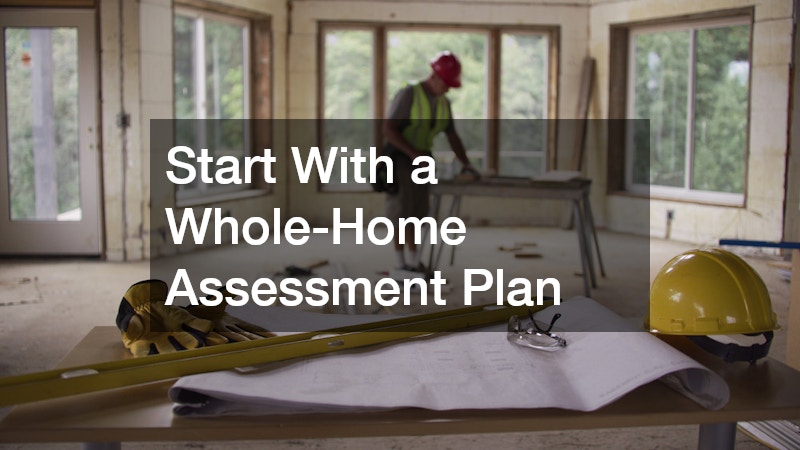
Before making any changes, it’s essential to understand your home’s current condition. A comprehensive evaluation helps you identify hidden issues and prioritize improvements that will have the biggest impact. This assessment should go beyond surface-level observations and include every major system, from structural components to mechanical and utility systems. Walking through each room, inspecting the roof, checking plumbing, heating, and cooling systems, and even evaluating insulation and ventilation can reveal areas that need attention before they turn into costly problems. By taking the time to document existing conditions, homeowners gain a clear picture of what upgrades are necessary, what can wait, and which improvements will offer the most benefit in terms of comfort, safety, and long-term cost savings. Additionally, this approach helps in creating a realistic budget and timeline, ensuring that projects are organized and manageable rather than overwhelming.
Evaluate Your Home’s Current Weak Points
Walk through your home with a critical eye and take note of problem areas:
- Rooms that feel too hot or too cold
- Drafts around windows and doors
- Signs of moisture, such as stains or musty odors
- Unusual noises from mechanical systems
These clues often point to deeper issues that can affect both comfort and safety.
Prioritize Projects Based on Safety and Efficiency
Not all upgrades are equally urgent. Focus first on:
- Structural concerns that could worsen over time
- Systems that affect daily living, like heating and cooling
- Issues that could lead to costly damage if ignored
Creating a priority list ensures your budget is used wisely.
When to Bring in the Right Professionals
While DIY inspections are helpful, professionals can uncover problems you might miss. For example, an HVAC company can evaluate airflow efficiency, system performance, and potential hazards. If you’re planning home remodeling, coordinating inspections beforehand ensures your upgrades address underlying issues rather than just surface-level improvements.
Improve Airflow and Indoor Climate Control
A well-regulated indoor climate is one of the most important factors in home comfort. Poor airflow can lead to uneven temperatures, higher energy bills, and even health concerns.
Fix Uneven Temperatures Room by Room
If certain areas of your home are consistently uncomfortable:
- Check that vents are open and unobstructed
- Use ceiling fans to improve air circulation
- Add insulation where needed
Even small adjustments can make a noticeable difference.
Upgrade or Seal Ductwork for Better Efficiency
Leaky or poorly designed duct systems waste energy and reduce comfort. Consider:
- Sealing gaps and joints in existing ducts
- Replacing outdated or damaged sections
- Installing a properly designed duct installation service for optimal airflow
Well-maintained ducts ensure that conditioned air reaches every room efficiently.
Know When to Act Fast on HVAC Issues
Delaying repairs can turn minor problems into major breakdowns. Watch for:
- Strange noises or odors from your system
- Weak airflow or inconsistent heating/cooling
- Sudden spikes in energy bills
In urgent situations, 24/7 hvac repair services can prevent further damage and restore comfort quickly.
Strengthen Your Roof to Prevent Major Hazards
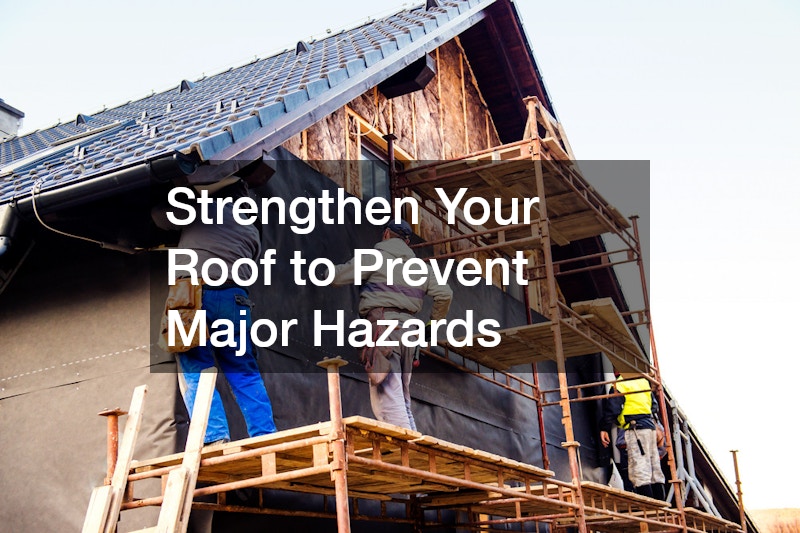
Your roof is your home’s first line of defense against the elements. Keeping it in good condition is essential for both safety and long-term durability.
Spot Early Signs of Roof Damage Before It Spreads
Regular inspections can help you catch problems early:
- Missing or curling shingles
- Water stains on ceilings or walls
- Sagging areas or visible wear
Addressing these issues promptly can prevent costly repairs.
Simple Maintenance Tasks Homeowners Can Handle
Routine upkeep goes a long way:
- Clean gutters to prevent water buildup
- Remove debris that can trap moisture
- Check flashing around chimneys and vents
These tasks help extend the life of your roof.
When to Call Professionals for Lasting Protection
Some issues require expert attention. Roof repair may be sufficient for minor damage, but more extensive problems call for a professional roofing service. Investing in expert care ensures your home stays protected against leaks and structural damage.
Protect Your Home From Water Damage
Water damage can compromise both comfort and safety, often leading to mold growth and structural issues if left untreated.
Identify Hidden Leaks Before They Cause Mold
Leaks aren’t always obvious. Check:
- Under sinks and behind appliances
- Around toilets and bathtubs
- In basements and crawl spaces
Early detection is key to preventing larger problems.
Upgrade Fixtures to Prevent Future Failures
Outdated plumbing components are more likely to fail. Consider:
- Replacing old pipes and fittings
- Installing modern shut-off valves
- Upgrading to durable, water-efficient fixtures
These improvements reduce the risk of leaks and improve overall reliability.
Handle Plumbing Emergencies Without Panic
Even with preventative measures, emergencies can happen. Be prepared by:
- Knowing where your main water shut-off valve is
- Keeping basic tools on hand
- Having contact information for emergency plumbing services
For ongoing maintenance and repairs, professional plumbing services help keep your system running smoothly.
Ensure Clean, Safe Water Throughout Your Home
Water quality plays a crucial role in your family’s health and daily comfort.
Understand What’s in Your Water Supply
Depending on your location, your water may contain:
- Minerals that cause hardness
- Chlorine or other chemicals
- Contaminants that affect taste and safety
Testing your water is the first step toward improvement.
Choose the Right Filtration or Softening System
Different homes require different solutions:
- Whole-house systems for comprehensive coverage
- Under-sink filters for drinking water
- Water softeners to reduce mineral buildup
Selecting the right system ensures better water quality throughout your home.
Maintain Your System for Long-Term Safety
Regular maintenance is essential:
- Replace filters according to manufacturer guidelines
- Inspect systems for wear or damage
- Schedule periodic checkups with a water treatment service
Consistent upkeep keeps your water clean and safe.
Reinforce Your Home’s Structural Integrity
A strong foundation is critical for both safety and comfort. Ignoring structural issues can lead to serious consequences over time.
Recognize Warning Signs of Foundation Problems
Be alert to:
- Cracks in walls or floors
- Doors and windows that stick or won’t close properly
- Uneven or sloping floors
These signs often indicate underlying issues.
Prevent Small Issues From Becoming Major Repairs
Simple preventative measures include:
- Ensuring proper drainage around your home
- Maintaining consistent soil moisture levels
- Repairing minor cracks promptly
These steps can help protect your foundation.
When Professional Reinforcement Is Necessary
If problems persist or worsen, it’s time to call experts. Foundation services can assess the extent of the damage and recommend solutions such as stabilization or reinforcement. Addressing issues early helps avoid costly repairs down the line.
Combine System Upgrades for Maximum Efficiency
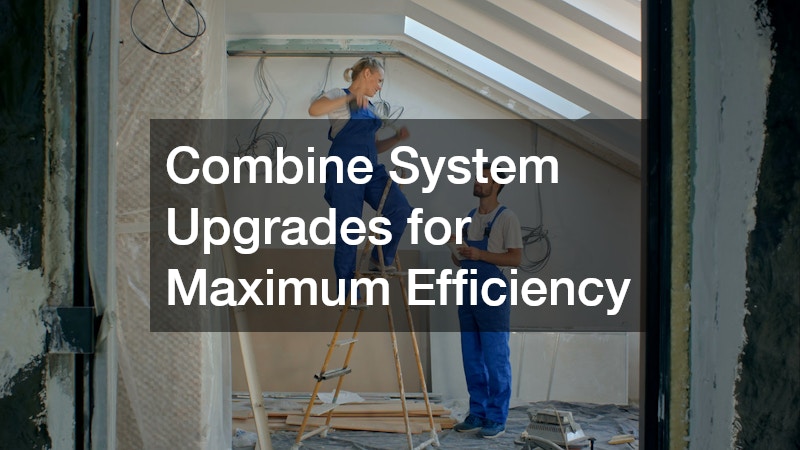
Upgrading multiple systems at once can save time, money, and effort while improving overall home performance.
Plan Renovations That Address Multiple Systems at Once
Instead of tackling projects individually, consider:
- Coordinating electrical, plumbing, and structural upgrades
- Aligning improvements with long-term goals
- Scheduling work to minimize disruptions
This approach maximizes efficiency and value.
Improve Layout for Better Function and Safety
Thoughtful design can enhance both comfort and usability:
- Optimize kitchen and bathroom layouts
- Improve traffic flow between rooms
- Increase accessibility for all household members
These changes make your home more functional and enjoyable.
Avoid Common Remodeling Mistakes
During home remodeling, it’s important not to overlook critical systems. For example:
- Failing to update plumbing services during renovations
- Ignoring ventilation and airflow needs
- Choosing aesthetics over durability
A balanced approach ensures lasting results.
Build an Emergency-Ready Home
Preparing for unexpected situations can make a significant difference in protecting your home and family.
Create a Home Emergency Response Plan
Every household should have a plan that includes:
- Emergency contact numbers
- Evacuation routes
- Procedures for handling common issues
Preparation reduces stress during emergencies.
Keep Essential Contacts and Tools Ready
Having the right resources on hand is crucial:
- Reliable access to 24/7 hvac repair
- Contact information for emergency plumbing services
- Basic tools for quick fixes
Being prepared helps you respond quickly and effectively.
Practice Preventative Maintenance Year-Round
Regular upkeep reduces the likelihood of emergencies:
- Inspect systems seasonally
- Replace worn components promptly
- Stay proactive rather than reactive
Consistent maintenance is key to a safer home.
Improve Energy Efficiency Without Sacrificing Comfort
Energy efficiency and comfort go hand in hand. Improving one often enhances the other.
Upgrade to Energy-Efficient Heating and Cooling Systems
Modern systems offer:
- Better temperature control
- Lower energy consumption
- Quieter operation
Consulting an HVAC company can help you choose the right system for your needs.
Seal and Insulate for Maximum Performance
Proper insulation and airflow management are essential:
- Seal gaps around windows and doors
- Add insulation in attics and walls
- Ensure ducts are properly installed with a duct installation service
These improvements reduce energy loss and increase comfort.
Work With Experts to Optimize Your Home
Professional evaluations can identify opportunities for improvement:
- Energy audits to pinpoint inefficiencies
- Recommendations for upgrades
- Long-term cost-saving strategies
Expert guidance ensures the best results.
Create a Long-Term Maintenance Strategy
Maintaining your home is an ongoing process that requires planning and consistency.
Set a Seasonal Home Maintenance Schedule
Break tasks into manageable steps:
- Spring: Inspect exterior and clean gutters
- Summer: Check cooling systems and ventilation
- Fall: Prepare heating systems and seal drafts
- Winter: Monitor for ice dams and insulation issues
A schedule keeps everything on track.
Track Repairs and Plan Future Upgrades
Keeping records helps you:
- Monitor the condition of your home
- Plan for future expenses
- Avoid repeating past mistakes
Organization is key to effective maintenance.
Invest in Preventative Professional Services
Regular inspections by professionals can catch issues early:
- Routine checkups from a roofing service
- Periodic evaluations from foundation services experts
Preventative care saves money and extends the life of your home.
Improving your home’s comfort and safety doesn’t have to be overwhelming. By taking a thoughtful, step-by-step approach, you can identify key areas for improvement and make meaningful changes that enhance your daily life. From addressing structural concerns to optimizing indoor systems, each upgrade contributes to a healthier, more reliable living environment. Whether it’s preventing small leaks from turning into costly water damage, ensuring proper airflow throughout your home, or reinforcing your roof and foundation, the cumulative effect of these improvements can transform how your home feels and functions every day.
The key is consistency. Regular maintenance, timely repairs, and strategic upgrades will not only protect your investment but also ensure your home remains a place of comfort and security for years to come. Developing a long-term maintenance plan and sticking to it allows you to anticipate potential issues before they escalate, saving both time and money. Small, proactive steps—like seasonal inspections, updating outdated systems, and addressing minor repairs promptly—help maintain the integrity and efficiency of your home.
Ultimately, creating a comfortable and safe home is about more than aesthetics; it’s about building a living space that supports your health, convenience, and peace of mind. By combining careful planning with regular attention to critical systems and structures, you can enjoy a home that feels welcoming, secure, and well-maintained for yourself and your family, now and in the future.