A safe and comfortable home is more than just a place to live; it is an investment in your family’s well-being and peace of mind. Strategic home improvement projects enhance both safety and comfort while also increasing property value. From upgrading roofing systems and improving insulation to enhancing energy efficiency and outdoor living spaces, the right projects make a significant difference. Understanding which improvements to prioritize ensures your home remains a sanctuary that meets modern standards of security, comfort, and sustainability.
How Can I Improve Home Security?
Home security is fundamental to keeping your property and loved ones safe. Implementing a combination of technology and structural improvements can significantly reduce vulnerabilities and provide peace of mind.
Installing Smart Locks
Smart locks are an effective way to modernize home entry systems. Unlike traditional locks, smart locks allow homeowners to control access remotely, assign temporary codes for visitors, and monitor who enters the home. Integrating smart locks with other home automation systems increases both convenience and security. Smart locks also reduce the need for spare keys, which can be lost or copied.
Surveillance Cameras
Surveillance cameras are a key deterrent against intruders. Modern security systems include high-definition cameras with night vision and motion detection capabilities. These cameras can be connected to smartphones, allowing homeowners to monitor activity in real time. Installing cameras at entrances, driveways, and backyard areas ensures comprehensive coverage and helps protect valuable assets.
Security Lighting
Security lighting improves visibility and discourages unwanted activity around your property. Motion-activated lights and strategically placed outdoor lighting illuminate dark areas, creating a safer environment for your family. Security lighting also complements other measures, such as surveillance cameras, by providing clear footage during nighttime hours.
Reinforcing Entry Points
Strengthening doors and windows is essential to improving home security. Using solid-core doors, high-quality deadbolts, and reinforced frames reduces the likelihood of forced entry. Adding shatter-resistant glass or window film further protects vulnerable points. For homes with multiple entryways, this step is especially important to prevent unauthorized access.
Alarm Systems
An alarm system adds another layer of protection to your home. Modern systems can include door and window sensors, motion detectors, and integration with smartphones for instant alerts. In addition to deterring intruders, alarm systems offer peace of mind by notifying authorities promptly if a security breach occurs.
What are the Best Ways to Insulate My Home?
Proper insulation enhances comfort, energy efficiency, and indoor air quality. The type of insulation and the areas in which it is installed can make a significant difference in overall home performance.
Types of Insulation Materials
Homeowners can choose from several insulation materials, including fiberglass, cellulose, and spray foam insulation. Spray foam insulation is particularly effective because it seals gaps and provides a high R-value, making it ideal for areas prone to air leaks. Selecting the right insulation material ensures your home remains energy efficient while minimizing drafts and noise.
Attic Insulation
Attic insulation is crucial for maintaining consistent indoor temperatures. Installing spray foam insulation or other suitable materials in the attic floor or roof deck prevents heat from escaping during winter and keeps the home cooler in summer. Proper attic insulation reduces energy bills and increases overall comfort.
Wall Insulation Techniques
Insulating walls improves thermal efficiency and reduces noise from outside. Options include blown-in cellulose or spray foam insulation for existing walls, while rigid foam boards are commonly used in new construction. Well-insulated walls complement other energy-saving measures like efficient windows and sealed doors.
Window Insulation Options
Windows are a major source of heat loss. Installing energy-efficient windows or applying thermal window film reduces drafts and improves comfort. Weatherstripping and insulated curtains can further enhance window performance. These measures, combined with proper wall and attic insulation, create a home that maintains consistent temperatures year-round.
Floor and Basement Insulation
Floor and basement insulation prevents cold air from seeping into living areas. Using rigid foam, spray foam, or insulating panels helps maintain warmth and reduces moisture issues. Insulating these spaces also improves comfort, especially in homes with tile flooring or concrete basement floors installed by a concrete contractor.
How Do I Improve Indoor Air Quality?
Indoor air quality has a direct impact on health and comfort. Contaminants such as dust, mold, and volatile organic compounds can trigger allergies and respiratory problems. Improving air quality involves using the right technology and maintaining a clean environment.
Using Air Purifiers
Air purifiers remove allergens, dust, and other airborne particles, ensuring cleaner air throughout the home. HEPA filters are highly effective at trapping fine particles and improving breathing conditions. Whole-house air purification systems or portable purifiers can be used to target specific areas with high foot traffic.
HVAC System Maintenance
Maintaining your HVAC system is essential for optimal airflow and air quality. Regularly changing filters, cleaning ducts, and scheduling professional inspections prevents the buildup of dust and contaminants. A well-maintained system also improves energy efficiency, reducing operational costs and enhancing comfort.
Indoor Plants for Air Quality
Indoor plants naturally filter toxins from the air while adding visual appeal. Plants such as snake plants, spider plants, and peace lilies can help improve air quality while complementing interior decor. Including greenery in key living areas contributes to both physical and psychological well-being.
Managing Humidity Levels
Proper humidity control prevents mold growth and creates a comfortable environment. Using dehumidifiers in damp areas and humidifiers in dry climates ensures balanced moisture levels. Proper ventilation in kitchens and bathrooms further reduces excess humidity and maintains healthy air quality.
Reducing Indoor Pollutants
Limiting indoor pollutants involves careful selection of cleaning products, paints, and home supplies. Using low-VOC paints and environmentally friendly cleaning agents reduces chemical exposure. Regular cleaning and vacuuming, combined with proper ventilation, minimize allergens and maintain a healthy home environment.
How Can I Make My Home Energy Efficient?
Energy efficiency reduces utility bills, lowers environmental impact, and enhances comfort. Several upgrades can make a significant difference in energy consumption and sustainability.
Upgrading Appliances
Replacing old appliances with energy-efficient models reduces electricity and water usage. Modern appliances, such as refrigerators, dishwashers, and washers, consume less energy while providing superior performance. This upgrade not only saves money but also contributes to a greener home.
Installing Energy-efficient Windows
Energy-efficient windows minimize heat transfer and reduce drafts. Double- or triple-pane windows with low-emissivity coatings improve insulation and reduce reliance on heating and cooling systems. Properly installed windows, along with effective insulation, create a comfortable and energy-conscious living environment.
LED Lighting Solutions
Switching to LED lighting reduces energy consumption and provides longer-lasting illumination. LED lights generate less heat than traditional bulbs, reducing strain on cooling systems during warm months. Modern LED options can be installed throughout the home, from living areas to kitchens and outdoor spaces.
Solar Panel Installation
Solar panels are a long-term investment in energy efficiency. Installing a solar panel system can significantly reduce reliance on traditional energy sources while lowering utility bills. Homes equipped with solar panels often qualify for tax incentives, making renewable energy a practical and cost-effective option.
Smart Thermostats
Smart thermostats provide precise control over home temperatures, learning household patterns and adjusting settings automatically. By reducing energy waste, these devices improve comfort and efficiency. Integrating a smart thermostat with HVAC systems enhances energy management and can complement other energy-saving measures, such as insulation upgrades.
What Kitchen Remodeling Ideas are Most Effective?
The kitchen is often the heart of a home, and remodeling it improves both functionality and safety. Thoughtful design choices can enhance storage, lighting, and overall comfort.
Open Floor Plan Design
Open floor plan kitchens create a sense of spaciousness and facilitate movement between living and cooking areas. Removing unnecessary walls allows for better airflow and makes the space more inviting. Open layouts also make it easier to monitor children or entertain guests while preparing meals.
Modernizing Appliances
Upgrading to modern, energy-efficient appliances improves convenience and reduces energy consumption. High-performance stoves, refrigerators, and dishwashers streamline kitchen tasks. Energy-efficient appliances also help maintain consistent cooking temperatures and reduce utility bills.
Maximizing Storage Solutions
Effective storage solutions prevent clutter and improve kitchen functionality. Installing pull-out cabinets, pantry organizers, and overhead shelving maximizes available space. These improvements make it easier to keep the kitchen clean and organized, contributing to a more comfortable cooking environment.
Countertop and Cabinet Upgrades
Replacing worn countertops and cabinets improves both safety and aesthetics. Durable materials, such as quartz or granite, resist scratches and stains, while updated cabinets provide secure storage. Adding soft-close hinges and ergonomic handles reduces the risk of injury during daily use.
Lighting and Ventilation Enhancements
Proper lighting and ventilation improve both safety and comfort. Under-cabinet lighting illuminates work surfaces, while overhead lighting ensures the entire space is visible. Installing range hoods or upgraded ventilation systems removes cooking odors and prevents the buildup of smoke or moisture.
How Do I Update My Bathroom for Better Safety?
Bathrooms can be hazardous areas due to wet surfaces and limited space. Updates that improve safety and accessibility contribute to overall comfort and reduce the risk of injury.
Slip-resistant Flooring
Installing slip-resistant flooring prevents accidents in wet conditions. Options include textured tile or vinyl flooring that provide traction even when wet. Flooring installed by a concrete contractor can be combined with slip-resistant coatings to enhance safety in both showers and open areas.
Walk-in or Curbless Showers
Walk-in or curbless showers eliminate the need to step over barriers, reducing the risk of slips and falls. These designs improve accessibility for elderly family members or individuals with mobility challenges, while also contributing to a modern, streamlined bathroom aesthetic.
Efficient Ventilation Systems
Proper ventilation reduces moisture buildup and prevents mold growth. Exhaust fans and ventilated windows improve air circulation, keeping bathrooms fresh and reducing maintenance needs. Efficient ventilation also prolongs the lifespan of tile roofing and other structural components in areas prone to humidity.
Secure Grab Bars and Handrails
Installing grab bars and handrails enhances safety in showers, near toilets, and along stairways. Well-placed bars provide stability and support, minimizing the risk of falls. Choosing durable, corrosion-resistant materials ensures long-term reliability.
Smart Water Monitoring Systems
Smart water monitoring systems detect leaks, monitor water usage, and prevent potential damage. These systems can be integrated with mobile devices to alert homeowners in real time. Early detection prevents costly repairs and enhances overall home safety.
What are Essential Roof Maintenance Tips?
A well-maintained roof protects your home from the elements and prevents costly repairs. Roof care is essential for both safety and long-term investment protection.
Regular Roof Inspections
Scheduling regular inspections with a roofing contractor ensures issues are detected early. Professionals can identify worn shingles, leaks, or structural problems before they escalate. Frequent inspections prolong the lifespan of residential roofing services and protect the entire property.
Repairing Leaks Promptly
Addressing leaks promptly prevents water damage to ceilings, walls, and insulation. A timely repair maintains indoor comfort and reduces the risk of mold growth. Homeowners can coordinate with roofing services to schedule professional repairs as needed.
Cleaning Gutters
Gutters direct water away from your home’s foundation. Cleaning gutters regularly prevents clogs, water overflow, and potential foundation damage. Properly maintained gutters also reduce the risk of ice dams in colder climates, protecting your tile roofing or shingle roof.
Removing Roof Debris
Debris such as leaves, branches, and dirt can compromise roofing integrity. Regular removal prevents damage to shingles or tile roofing and reduces the likelihood of leaks. Roof debris removal is an important aspect of comprehensive roofing services.
Ensuring Proper Ventilation
Proper roof ventilation prevents moisture buildup and improves energy efficiency. Well-ventilated attics help maintain indoor comfort and prolong the life of roofing materials. Roofing contractors can advise on the best solutions for adequate airflow and ventilation.
How Do I Enhance Outdoor Living Spaces?

Outdoor living spaces extend comfort and functionality beyond the interior of your home. Thoughtful design and professional installation improve usability and enjoyment.
Building Decks and Patios
Decks and patios provide spaces for relaxation, dining, and entertainment. Using durable materials and professional construction ensures safety and long-term durability. Hardscaping projects installed by a concrete contractor can complement decks and patios to create cohesive outdoor environments. blacktop paving can also be a great way to improve your home’s curb appeal.
Outdoor Kitchens and BBQ Areas
Outdoor kitchens and BBQ areas make entertaining enjoyable and convenient. Properly designed spaces include durable countertops, ventilation, and lighting for nighttime use. These additions increase property value while enhancing comfort.
Landscape Lighting
Landscape lighting adds safety and visual appeal to outdoor areas. Pathway lights, spotlights, and accent lighting improve navigation and highlight key features. Well-lit landscapes also discourage unwanted activity and make the space more inviting.
Comfortable Outdoor Furniture
Selecting comfortable, weather-resistant furniture enhances usability. Seating arrangements and tables designed for outdoor use create spaces where family and guests can relax safely. Coordinating furniture with deck and patio layouts optimizes comfort and functionality.
Installing Water Features
Water features, such as fountains or ponds, create soothing environments and improve aesthetics. Proper installation ensures safety and reduces maintenance challenges. Water features can also complement landscaping and hardscaping projects for a harmonious outdoor setting.
How Can I Prevent Common Home Maintenance Issues?
Preventive maintenance reduces costly repairs and ensures safety. Regular attention to plumbing, HVAC, electrical systems, and foundations preserves home comfort and structural integrity.
Plumbing System Checks
Routine plumbing inspections detect leaks, clogs, or corrosion. Maintaining pipes, faucets, and drains prevents water damage and costly repairs. Early detection safeguards other areas of the home and complements water monitoring systems.
Regular HVAC Servicing
HVAC systems require consistent maintenance to operate efficiently. Cleaning filters, inspecting ductwork, and servicing equipment ensures optimal performance. A well-maintained system improves comfort, energy efficiency, and indoor air quality.
Pest Control Strategies
Implementing pest control measures protects the home from infestations. Regular inspections and treatments reduce the risk of damage to wood structures, insulation, and stored items. Professional pest control strategies maintain a safe and comfortable environment.
Foundation Inspection and Repair
Checking the foundation for cracks or settling prevents structural issues. Timely repairs protect walls, floors, and roofing systems from damage. Foundation inspections are a critical aspect of long-term home maintenance.
Electrical System Safety Checks
Regular electrical inspections prevent hazards such as short circuits and fires. Ensuring outlets, breakers, and wiring meet safety standards enhances home safety. Electrical upgrades may also accommodate modern appliances and technology demands.
How Do I Design a Home Office for Comfort and Productivity?
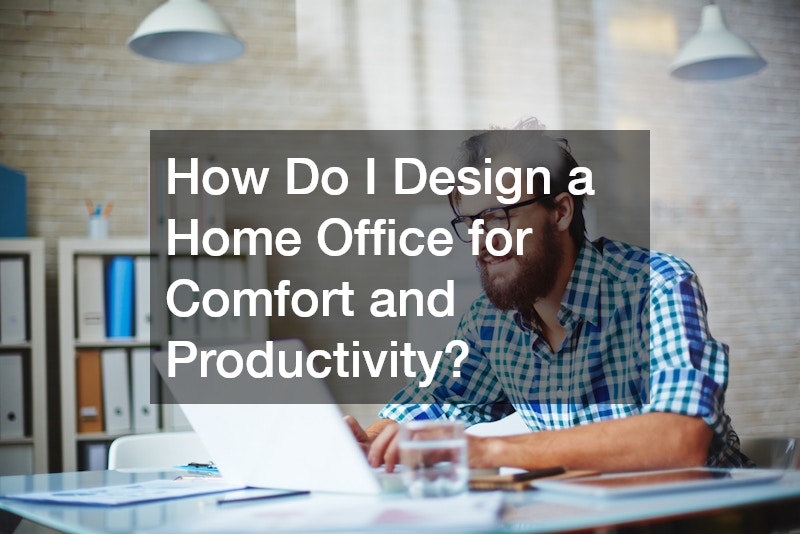
A home office should balance functionality, comfort, and productivity. Thoughtful design choices optimize space, lighting, and technology integration.
Ergonomic Furniture Choices
Ergonomic chairs, desks, and accessories reduce strain during long work hours. Comfortable furniture improves focus and productivity while preventing long-term health issues. Selecting furniture that fits the room layout maximizes available space.
Lighting and Color Schemes
Proper lighting and calming color schemes enhance focus and reduce eye strain. Natural light, task lighting, and ambient lighting work together to create an optimal work environment. Color choices can influence mood, productivity, and creativity.
Maximizing Space for Storage
Efficient storage solutions prevent clutter and make important items easily accessible. Shelving, cabinets, and organizers improve the functionality of a home office while maintaining a clean, professional appearance.
Technological Enhancements
Incorporating technology such as high-speed internet, printers, and video conferencing equipment supports productivity. Proper cable management and workstation layout reduce distractions and create an efficient workflow.
Soundproofing Techniques
Soundproofing improves concentration by minimizing distractions from outside noise. Installing acoustic panels, rugs, or curtains helps create a quiet environment conducive to work. Effective soundproofing is particularly important for homes located in busy neighborhoods.
Final Thoughts
Prioritizing home improvement projects that enhance safety and comfort ensures long-term peace of mind and livability. From upgrading roofing services and installing spray foam insulation to enhancing energy efficiency with solar panels and energy-efficient windows, each project contributes to a more secure and comfortable home. By incorporating modern security systems, effective insulation, proper ventilation, and thoughtful outdoor and indoor enhancements, homeowners can create a sanctuary that is both safe and enjoyable. Collaborating with experienced professionals such as a roofing contractor, concrete contractor, or asphalt contractor ensures that projects are completed efficiently and to the highest standard, while carefully selecting materials, paint supplies, and other home products enhances both safety and aesthetic appeal.