
Starting a home expansion project is a major decision that affects your finances, daily routine, and long-term comfort. Whether you are adding square footage for a growing household, creating space for remote work, or improving accessibility, thoughtful planning sets the foundation for a successful outcome. A well-prepared approach helps align your goals with realistic timelines, budgets, and construction requirements while reducing unnecessary stress. Before construction begins, it is essential to understand how design choices, site conditions, permitting, and contractor coordination influence the final result.
A successful project begins with clarity. Understanding how your current home functions, where limitations exist, and how future needs may evolve allows you to define priorities early. This clarity supports better conversations with architects, builders, and inspectors, ensuring everyone works toward the same objectives. Early planning also helps you anticipate disruptions, manage expectations, and avoid decisions made under pressure once construction is underway. Throughout the planning process, homeowners benefit from viewing the project as a system rather than a single build task.

Clarifying Goals, Budget, and Scope Early
Defining clear goals is the first step toward a successful project. Homeowners should identify why additional space is needed and how it will be used over time. This may include accommodating a growing family, supporting multigenerational living, or creating specialized areas such as studios or offices. Establishing these goals early helps guide design decisions and ensures the new space integrates well with existing layouts. Without clear objectives, projects can expand beyond their original intent, leading to budget strain and delayed timelines.
Budget planning requires more than estimating construction costs. Homeowners should account for design fees, permits, inspections, materials, labor, and contingency funds for unexpected issues. A realistic budget supports informed decision-making and prevents compromises that could affect long-term performance. When planning a home expansion, allocating funds for quality materials and experienced professionals often reduces future repair and maintenance expenses.
Scope definition is equally important. Determining what is included and excluded from the project minimizes misunderstandings between homeowners and contractors. Clear documentation outlining dimensions, finishes, and system upgrades helps keep work aligned with expectations. A well-defined scope also simplifies scheduling and reduces the likelihood of costly change orders during construction.
Understanding Design, Layout, and Structural Requirements
Design planning balances aesthetics with function and structural feasibility. An effective layout considers traffic flow, natural light, and how new spaces connect to existing rooms. Thoughtful design ensures that additions feel cohesive rather than separate from the original structure. Homeowners should work closely with designers to evaluate how ceiling heights, window placement, and room proportions influence comfort and usability.
Structural requirements play a critical role in project planning. Load-bearing walls, rooflines, and foundation capacity must be assessed before finalizing designs. Engineers may be required to evaluate whether existing structures can support new loads or if reinforcements are necessary. These evaluations protect the safety and longevity of the build while ensuring compliance with local codes.
For projects involving a home extension, design decisions should account for future adaptability. Flexible layouts allow spaces to evolve as needs change, increasing long-term value. Planning for accessibility, energy efficiency, and storage early in the design phase supports a more resilient and functional outcome.
Preparing the Site and Managing Ground Conditions
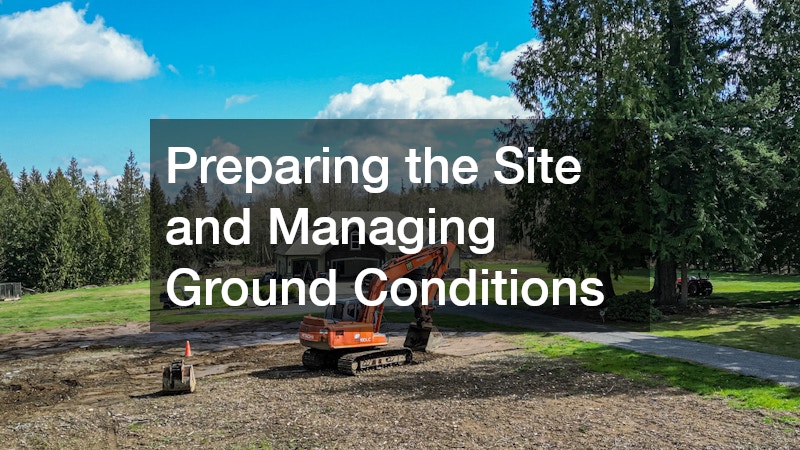
Site preparation is often one of the most underestimated aspects of a construction project. Evaluating soil conditions, drainage patterns, and grading requirements helps prevent complications once work begins. Poor drainage or unstable soil can compromise structural integrity if not addressed early. Professional assessments guide decisions related to excavation depth and reinforcement strategies.
Engaging qualified excavating services ensures that groundwork is performed safely and accurately. Excavation professionals understand how to manage soil displacement, protect nearby structures, and prepare stable foundations. Proper site preparation supports accurate framing and reduces the risk of settling or water intrusion over time.
During site preparation, homeowners should also consider how construction activity affects landscaping, neighboring properties, and access points. Clear communication with contractors about staging areas, equipment access, and debris management helps minimize disruptions. Careful planning at this stage creates a stable platform for the rest of the project and supports a smoother construction process.
Addressing Environmental, Moisture, and Health Considerations
Environmental factors can significantly influence construction outcomes. Moisture management, air quality, and pest prevention should be addressed before and during building. Ignoring these considerations can lead to long-term issues that affect comfort and indoor health. Early assessments help identify risks and inform mitigation strategies.
Collaboration with pest control contractors may be necessary when expanding into areas prone to insects or rodents. Preventive treatments and barrier installations reduce the likelihood of infestations during and after construction. Integrating pest management into the planning phase protects materials and supports a healthier living environment.
Water intrusion is another critical concern. Coordinating with a local water restoration company provides insight into moisture control strategies and response planning. Similarly, involving a local mold removal company helps assess potential risks associated with existing damp areas. Addressing these factors proactively safeguards indoor air quality and reduces future remediation needs during a home expansion.
Coordinating Exterior Systems and Property Protection
Exterior systems play a vital role in protecting new and existing structures. Roofing, drainage, and landscaping must work together to direct water away from the home. Proper coordination ensures that additions do not compromise weather resistance or create maintenance challenges.
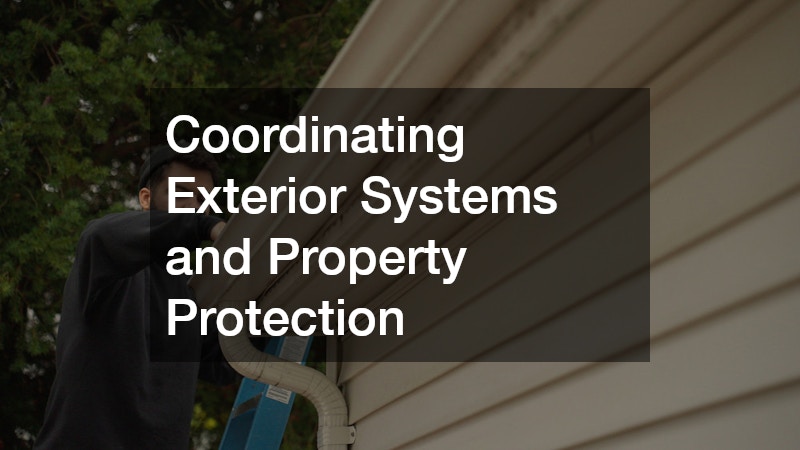
Working with a qualified gutter contractor helps design effective water management solutions that align with the expanded roofline. Proper gutter placement and capacity reduce the risk of erosion, foundation damage, and water infiltration. Drainage planning should extend beyond the immediate structure to include grading and runoff management.
Trees and vegetation near the building area also require attention. Consulting local tree service contractors ensures that roots, branches, and debris do not interfere with construction or future maintenance. Thoughtful exterior coordination enhances curb appeal while protecting the integrity of the addition and surrounding property.
Evaluating Utility Upgrades and Mechanical Systems
Utility systems must be evaluated to ensure they can support additional space. Electrical panels, plumbing lines, and HVAC capacity often require upgrades during expansion projects. Early assessments help prevent system overloads and ensure consistent performance throughout the home.
Roof integrity is closely tied to utility planning. Addressing local roof repair needs before connecting new structures helps prevent leaks and structural stress. Coordinating roofing work with expansion timelines improves efficiency and protects interior finishes.
Water heating capacity is another important consideration. Consulting local water heater repair professionals helps determine whether existing systems can meet increased demand. Upgrading or reconfiguring mechanical systems during a home expansion supports comfort, efficiency, and long-term reliability.
Protecting Structural Integrity and Long-Term Performance
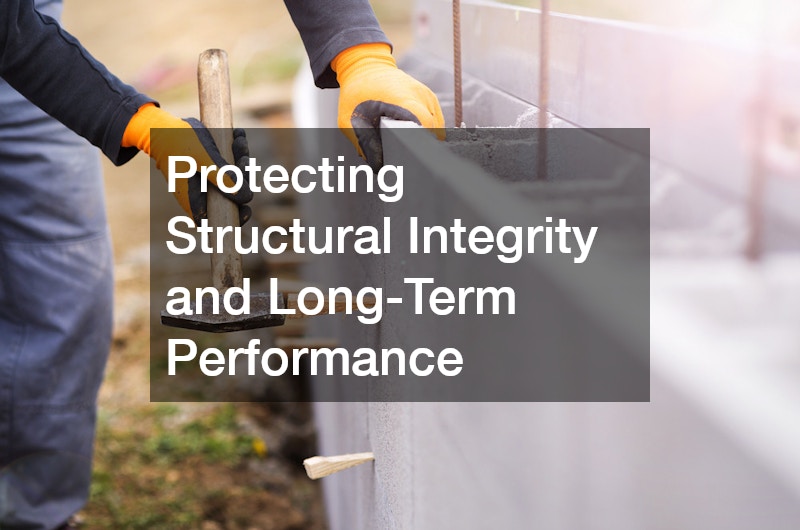
Structural stability is essential for any successful build. Foundations must be assessed to ensure they can support additional loads without shifting or cracking. Professional evaluations guide decisions related to reinforcement, drainage, and material selection.
Addressing foundation repairs before or during construction helps prevent future complications. Stabilizing the foundation ensures that new and existing structures move together, reducing the risk of cracks or misalignment. Investing in structural integrity supports durability and protects the overall investment.
Long-term performance depends on quality workmanship and proactive maintenance planning. Selecting durable materials, following best practices, and scheduling routine inspections extend the lifespan of the addition. With careful planning and coordination, a home expansion can enhance comfort, functionality, and value for years to come.