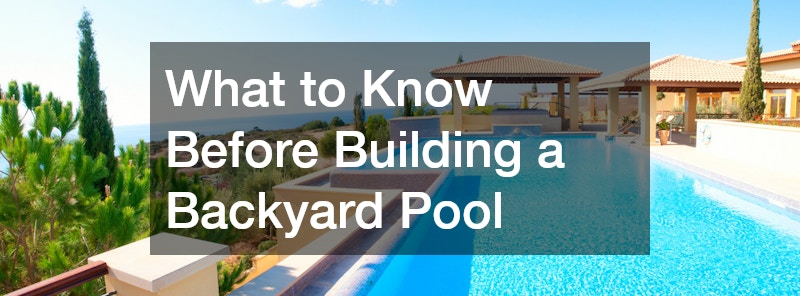
Planning Your Backyard Pool the Right Way From the Start
Adding a pool to your backyard is one of the most exciting home improvement projects you can take on. It transforms your outdoor space into a place for relaxation, entertainment, and long-term enjoyment. However, building a pool is also a major investment that requires careful planning, coordination, and informed decision-making.
Many homeowners jump into the process focused only on the end result—a beautiful pool—without fully understanding everything that goes into making that vision a reality. From budgeting and design to permits and maintenance, there are many moving parts that can impact both your experience and your final outcome.
Taking the time to plan properly ensures that your pool not only looks great but also functions efficiently and fits seamlessly into your lifestyle. It can also help you avoid costly mistakes, delays, and unexpected expenses.
In this guide, you’ll learn everything you need to consider before building a backyard pool, so you can move forward with confidence and create a space that adds lasting value to your home.
Evaluate Your Backyard Space and Long-Term Goals First
Before you start designing, it’s important to take a step back and evaluate your space realistically. Not every yard is immediately ready for a pool, and understanding your property’s limitations will help you make smarter decisions early on.
An in ground pool requires sufficient space, proper grading, and suitable soil conditions. Sloped yards, rocky terrain, or limited access points can all affect construction complexity and cost. You’ll also need to think about how the pool will fit within your existing layout, including proximity to your home, property lines, and neighboring structures.
Working with a landscaping contractor at this stage can be extremely helpful. They can assess drainage patterns, recommend grading solutions, and help you visualize how the pool will integrate with other outdoor elements. This ensures that your pool doesn’t feel like an afterthought but rather a natural extension of your backyard.
You should also consider your long-term goals. Will this be a space for entertaining, relaxing, or family use? Do you plan to add features like outdoor kitchens or fire pits later? Thinking ahead allows you to design a layout that accommodates future upgrades without requiring major changes.
Set a Realistic Budget That Covers More Than Construction
Budgeting for a pool goes far beyond the initial construction cost. While it’s easy to focus on installation expenses, there are many additional factors that need to be considered to avoid financial surprises.
In addition to building costs, you’ll need to account for ongoing pool services such as cleaning, chemical treatments, and seasonal maintenance. These recurring expenses can add up over time, so it’s important to factor them into your long-term budget.
Another often-overlooked cost is homeowners insurance. Adding a pool can increase your liability coverage requirements, which may result in higher premiums. Some insurance providers also require specific safety features, such as fencing or pool covers, before extending coverage.
A good rule of thumb is to set aside an additional 10–20% of your total budget for unexpected expenses. This cushion can help you handle unforeseen issues without compromising the quality of your project.
Planning your finances carefully ensures that you can complete your pool project without unnecessary stress.
Choose the Right Type of Pool for Your Needs

Selecting the right pool type is one of the most important decisions you’ll make during the planning process. Different materials and construction methods offer unique benefits, and the right choice depends on your budget, climate, and usage preferences.
An in ground pool is the most popular option for homeowners looking for a permanent, high-quality solution. These pools offer durability, customization, and long-term value, making them a worthwhile investment for many.
Another key consideration is the process of pool filling, which involves sourcing and delivering large volumes of water to your property. Depending on your location, this can impact both cost and timeline. Some areas require special permits or coordination with local services to complete the process efficiently.
Take the time to compare options such as fiberglass, vinyl, and concrete pools. Each has its own advantages in terms of maintenance, longevity, and design flexibility.
Choosing the right pool type ensures that your investment aligns with your expectations and lifestyle.
Hire Qualified Professionals You Can Trust
The success of your pool project depends heavily on the professionals you choose to work with. Hiring experienced and reputable contractors ensures that your project is completed safely, efficiently, and to a high standard. The right team not only delivers quality workmanship but also helps guide you through decisions that can impact the long-term performance and value of your investment.
A local pool builder brings valuable knowledge about regional regulations, soil conditions, and climate considerations. Their experience can help you avoid common pitfalls and streamline the construction process. Because they are familiar with local permitting requirements and inspection processes, they can also help prevent delays that often arise when paperwork or compliance steps are overlooked.
In addition to the pool itself, you may also need a patio contractor to design and build surrounding features such as decks, seating areas, and walkways. Coordinating these professionals early on ensures a cohesive design and smooth workflow. When both contractors collaborate from the beginning, it reduces the risk of mismatched materials, layout conflicts, or costly redesigns later in the project.
When evaluating contractors, look for proper licensing, insurance, and a strong portfolio of completed projects. It’s also important to ask detailed questions about timelines, warranties, and communication practices. Don’t hesitate to ask for references or read online reviews to get a sense of their reputation and reliability.
Choosing the right team sets the foundation for a successful project and gives you confidence throughout every phase of construction.
Plan the Surrounding Outdoor Living Space Early
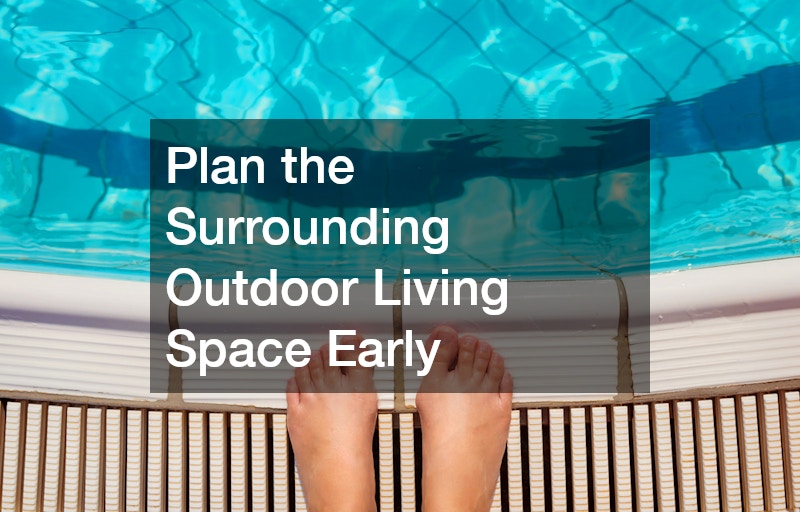
A pool should never be designed in isolation. The surrounding space plays a major role in both functionality and aesthetics, so it’s important to plan everything together. The layout around your pool affects how easily people can move through the space, where furniture can be placed, and how comfortable the area feels during daily use or gatherings.
Working with a hardscaping company allows you to design features such as patios, pathways, and retaining walls that complement your pool. These elements create a cohesive outdoor environment that feels intentional and well-designed. They can also help address practical concerns like drainage, elevation changes, and long-term durability, which are often overlooked when focusing only on the pool itself.
A paver patio installer can help you choose materials that are both durable and visually appealing. Pavers are a popular choice because they provide excellent traction, resist cracking, and come in a variety of styles. This makes it easier to match your pool area to the overall look of your home while ensuring safety in wet conditions.
Think about how you’ll use the space around your pool. Do you need areas for lounging, dining, or entertaining? Planning these features early ensures that everything fits together seamlessly and avoids the need for costly changes later. It also allows for proper spacing, electrical planning for lighting, and placement of shade structures or outdoor kitchens.
A well-designed outdoor space enhances both enjoyment and property value.
Understand Permits, Regulations, and Safety Requirements
Building a pool involves more than just design and construction—it also requires compliance with local regulations and safety standards.
Your local pool builder can guide you through the permitting process, which may include zoning approvals, inspections, and adherence to building codes. Failing to secure the proper permits can result in fines, delays, or even the need to remove completed work.
Safety requirements are another critical aspect. Many areas mandate features such as fencing, self-latching gates, and pool covers to prevent accidents. These measures not only protect your family but may also be required by homeowners insurance providers.
Understanding these requirements early in the process helps you avoid complications and ensures that your project stays on track.
Think About Maintenance Before You Build
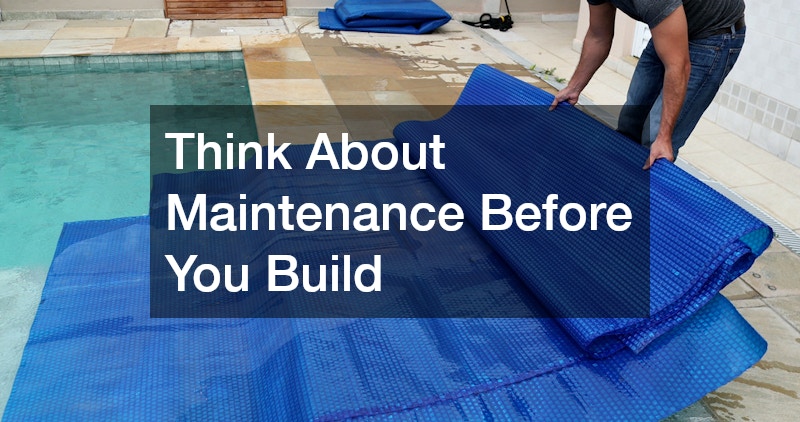
Owning a pool comes with ongoing responsibilities, and it’s important to understand what maintenance involves before you commit to building one. Many homeowners focus on the excitement of installation but underestimate the time, effort, and consistency required to keep a pool in top condition throughout the year.
Regular pool services include cleaning, chemical balancing, and equipment checks. This means skimming debris from the surface, vacuuming the pool floor, brushing walls to prevent buildup, and ensuring filters and pumps are functioning properly. Neglecting even small tasks can lead to cloudy water, algae growth, or equipment failure, all of which can become costly to fix.
One of the most important aspects of maintenance is ph balance pool maintenance. Maintaining the correct pH level ensures that the water is safe for swimmers and prevents damage to the pool’s surfaces and equipment. Water that is too acidic can corrode metal components and irritate skin, while water that is too alkaline can cause scaling and reduce the effectiveness of sanitizers like chlorine.
You’ll need to decide whether you want to handle maintenance yourself or hire professionals. While DIY care can save money, professional pool services provide convenience, consistency, and expert-level monitoring that can prevent issues before they escalate.
Planning for maintenance ahead of time helps you choose systems and features that make upkeep easier, such as automated cleaning systems, efficient filtration, and user-friendly chemical monitoring tools.
Prepare for the Installation Process and Timeline
Building a pool is a multi-step process that requires careful coordination and patience. Understanding the timeline helps you set realistic expectations and avoid frustration.
The process typically begins with excavation, followed by structural installation, plumbing, electrical work, and finishing touches. Each phase must be completed in sequence, and delays can occur due to weather, permitting, or material availability.
Pool filling is one of the final steps and can take several hours or even days, depending on the size of the pool and the water source.
Working closely with a patio contractor ensures that surrounding features are completed at the right time, avoiding conflicts or rework.
Being prepared for the timeline allows you to plan accordingly and enjoy a smoother construction experience.
Avoid Common Mistakes That Increase Costs Later
Many pool projects run into problems because of avoidable mistakes made during the planning phase.
For example, poor drainage can lead to water accumulation and damage over time. Consulting with a landscaping contractor helps ensure that your yard is properly graded and prepared.
Similarly, failing to coordinate with a hardscaping company can result in mismatched designs or inefficient layouts. This can lead to costly adjustments after construction is complete.
Other common mistakes include underestimating costs, skipping professional design input, and choosing low-quality materials. While it may be tempting to cut corners, doing so often leads to higher expenses in the long run.
Taking a thoughtful, informed approach helps you avoid these pitfalls and keeps your project on track.
Plan for Long-Term Value and Enjoyment
A well-designed pool should provide enjoyment for years to come while also enhancing your home’s value.
Working with a paver patio installer ensures that your outdoor space remains durable and visually appealing over time. High-quality materials and proper installation reduce the need for repairs and maintenance.
Consistent ph balance pool maintenance is also essential for preserving your pool’s condition. Proper care prevents issues such as algae growth, equipment damage, and surface deterioration.
Consider adding features that improve usability, such as lighting, heating, or automation systems. These upgrades can make your pool more enjoyable and increase its appeal to future buyers.
Designing with long-term value in mind ensures that your investment continues to pay off.
Building a Backyard Pool That Delivers Lasting Value
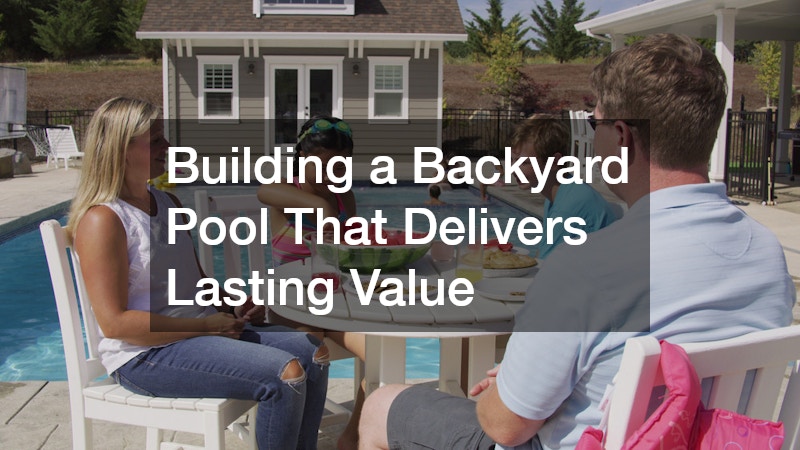
Creating a backyard pool is an exciting opportunity to transform your outdoor space into something truly special. With the right planning, team, and approach, you can build a pool that not only looks beautiful but also functions efficiently and adds meaningful value to your home.
The key is to think beyond the initial build and consider every aspect of ownership—from design and construction to maintenance and long-term use. By taking the time to make informed decisions, you can avoid common mistakes and enjoy a smoother, more rewarding experience.
A thoughtfully planned pool becomes more than just a feature—it becomes a centerpiece for relaxation, connection, and lasting memories.