The spaces we inhabit profoundly shape our daily experiences, influencing everything from our morning mood to our evening relaxation. When a home feels disjointed, outdated, or difficult to maintain, it can subtly drain our energy. Conversely, a thoughtfully designed environment tailored to our lifestyle acts as a sanctuary. Achieving this ideal balance is no longer just about picking the right paint colors or arranging furniture; it fundamentally comes down to the physical elements constructing the space. The materials we surround ourselves with affect not only the immediate aesthetic appeal but also the long-term value, safety, and functionality of the property.
In recent years, there has been a significant shift in modern architectural and interior design. The industry is moving rapidly away from “fast fashion” home decor—characterized by cheap, easily replaceable, and environmentally taxing goods—toward sustainable, highly durable, and texturally rich materials. Homeowners and designers alike are embracing biophilic design principles that connect indoor environments to nature, alongside smart composites engineered to outlast traditional building supplies. This evolution means that today’s materials work harder for you, resisting wear and tear while requiring a fraction of the upkeep.
This comprehensive guide will walk you through selecting the absolute best modern materials for both the exterior and interior of your property. We will focus heavily on the intersection of longevity, visual aesthetics, and practical application. Whether you are addressing the outer shell of your house to improve curb appeal or refining the intimate details of a master suite, the choices you make should be informed by durability and design. Carefully chosen modern materials not only enhance the visual appeal of a space but fundamentally improve its functionality and lifespan, ensuring your environment remains beautiful and effortless to live in for decades to come.
Prioritize Weather-Resistant Composites for Curb Appeal
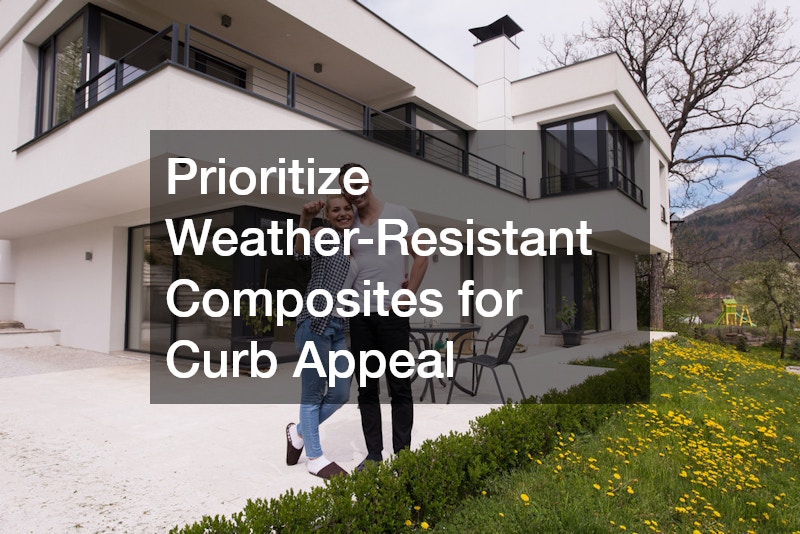
The exterior of your property is its first line of defense against the elements and the primary driver of curb appeal. Traditional materials like standard wood lap or vinyl have served their purpose over the decades, but they often fall short when subjected to extreme weather, rapid temperature fluctuations, and persistent pests. Today, the gold standard for modern exteriors lies in advanced composite materials.
Fiber cement, engineered wood, and insulated metal panels are revolutionizing how we protect and beautify our exteriors.
-
Fiber Cement: Composed of Portland cement, sand, water, and cellulose fibers, this material is virtually indestructible under normal conditions. It does not rot, warp, or attract termites. Furthermore, it is non-combustible, making it an incredibly safe choice for regions prone to wildfires.
-
Engineered Wood: This involves treating wood strands with zinc borate to resist rot and insects, then binding them with exterior-grade resins. The result is a product that offers the authentic texture of real wood without the typical vulnerabilities.
-
Insulated Metal Panels (IMPs): Often used in contemporary and industrial-chic designs, IMPs feature a rigid insulating foam core sandwiched between two metal skins. They provide exceptional thermal efficiency and a sleek, modern aesthetic.
To get the most out of these exterior upgrades, homeowners should choose factory-painted composite materials with baked-on finishes. These specialized coatings are cured in a controlled environment, resulting in a bond that significantly outlasts traditional on-site painting. This choice dramatically reduces routine maintenance and prevents the severe fading that usually occurs on the sun-facing sides of a property.
When evaluating these options, consulting with reputable home siding companies is a crucial step to ensure these advanced materials are installed exactly according to the manufacturer’s strict specifications. Proper installation is vital not only for the performance of the product but also for maintaining the validity of the warranty. Many advanced composites require specific moisture barriers, flashing techniques, and fastening systems that inexperienced installers might overlook.
Furthermore, engaging with custom home builders early in the design phase can help property owners seamlessly blend these modern exterior materials with the overarching architectural style of the property. Professionals can provide 3D renderings and material samples that demonstrate how mixing textures—such as pairing sleek insulated metal panels with warm, wood-grain fiber cement—can create a dynamic, modern facade that stands out in the neighborhood while standing up to the weather.
Select Durable, Seamless Transitions for High-Traffic Zones
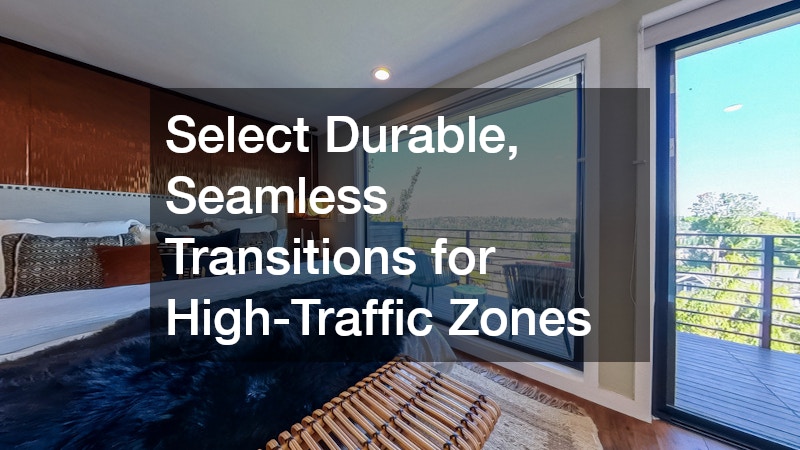
Moving inside, the floors take the brunt of daily life. From heavy foot traffic and pet claws to spilled drinks and dropped items, your flooring needs to be exceptionally resilient. Modern material science has introduced flooring options that perfectly mimic natural materials while offering vastly superior durability and waterproofing.
The frontrunners for high-traffic zones include Luxury Vinyl Plank (LVP), large-format porcelain tiles, and next-generation engineered hardwood.
-
Luxury Vinyl Plank (LVP): The structural benefits of LVP come from its multi-layer composition. It typically features a tough, transparent wear layer that resists scratches, a high-definition photographic layer that mimics wood or stone, a rigid waterproof core (often made from stone plastic composite or wood plastic composite), and an attached acoustic backing. This layered approach makes it practically impervious to water and highly resistant to denting.
-
Large-Format Porcelain Tiles: By firing dense clay at extremely high temperatures, porcelain becomes almost completely non-porous. Using large-format tiles (such as 24×48 inches) minimizes grout lines, which are traditionally the hardest part of a floor to keep clean.
-
Engineered Hardwood: Unlike solid hardwood, which can expand and contract wildly with humidity changes, engineered hardwood features a real wood veneer glued over several cross-directional layers of plywood. This construction provides superior dimensional stability, allowing you to enjoy the warmth of real wood even in basements or over concrete slabs.
For the most modern aesthetic, the primary actionable tip is to prioritize visual continuity. Running the exact same flooring material throughout the main level makes the floorplan feel significantly larger, more cohesive, and less visually cluttered. Changing flooring materials from room to room chops up the visual space and can make a house feel small and disjointed.
To achieve this flawless look, there are massive logistical and aesthetic benefits to scheduling a whole home flooring installation rather than tackling the project room-by-room over several years. A comprehensive approach eliminates awkward transition strips in doorways, ensures dye lots match perfectly, and allows installers to properly level the entire subfloor at once for a truly seamless finish.
This principle of continuity should also apply when expanding your living space. If you are planning to increase your square footage, running these modern flooring choices continuously into new home additions is the most effective way to visually tie the new structure to the original footprint. Instead of the new space feeling like a disconnected afterthought, continuous flooring draws the eye smoothly from the old footprint into the new, creating a unified and expansive environment.
Optimize Storage with Eco-Friendly and Textured Finishes
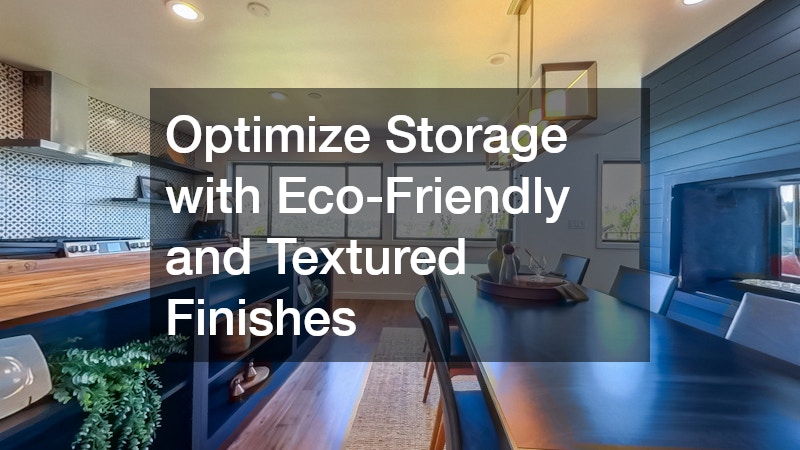
Cabinetry dictates the structural and visual flow of kitchens, bathrooms, and utility spaces. While solid wood cabinets have a traditional appeal, modern design heavily favors materials that offer greater consistency, superior environmental credentials, and advanced resistance to daily wear and tear.
The modern storage revolution is led by thermally fused laminate (TFL), reclaimed wood veneers, and matte acrylic finishes.
-
Thermally Fused Laminate (TFL): TFL is created by fusing a resin-impregnated sheet of decorative paper directly to a substrate, like particleboard or MDF, using heat and pressure. The resulting surface is incredibly durable, highly resistant to scratching, and immune to peeling. It can also be embossed to perfectly replicate the tactile feel of natural wood grain.
-
Reclaimed Wood Veneers: For those wanting genuine wood without the ecological footprint of harvesting new old-growth timber, reclaimed veneers are sliced thin from salvaged beams and applied to stable cores. This provides a rich, historical texture while maintaining modern structural integrity.
-
Matte Acrylics: High-gloss modern kitchens are being replaced by soft, matte acrylic panels. These technologically advanced surfaces are engineered to resist fingerprints, smudges, and UV fading, keeping the space looking pristine with minimal wiping.
When selecting these materials, the layout and hardware are just as important as the finish. A highly effective tip for achieving a contemporary look is to pair flat-panel, textured wood-grain cabinets with minimalist, integrated hardware (like edge pulls or push-to-open mechanisms). This keeps the visual field incredibly clean, allowing the texture of the eco-friendly materials to act as the primary design feature.
Navigating these options requires expertise. It is highly recommended to spend time interviewing multiple kitchen cabinet companies to carefully compare their specific offerings. You want to look for manufacturers that utilize low-VOC (Volatile Organic Compounds) finishes to protect your indoor air quality, and those that standardize the use of heavy-duty, soft-close hardware on all hinges and drawer glides.
Furthermore, working alongside a local kitchen designer can drastically improve the final outcome. A professional who can physically visit the space will assess how natural light moves through the room throughout the day. They can recommend the exact material finishes—perhaps suggesting a light-absorbing matte acrylic for a glaringly bright wall, or a warm TFL wood grain to cozy up a darker corner—that will look their absolute best under your specific lighting conditions.
Blend Indoor Comfort with Natural Elements
The most elevated living spaces blur the line between the indoors and the outdoors. Achieving this requires a delicate balance of highly engineered, high-tech architectural elements and grounding, natural materials. By contrasting advanced framing and glazing with heavy, organic stone, you create a space that feels both sheltered and connected to the earth.
The technological side of this equation relies on advancements in windows and framing.
-
Low-Emissivity (Low-E) Glass: Modern windows utilize microscopically thin, transparent coatings that reflect long-wave infrared energy (heat). This means they keep ambient heat out during the summer and trap indoor heat during the winter, drastically reducing HVAC costs without sacrificing natural light.
-
Thermally Broken Aluminum Frames: Aluminum is sleek and strong, perfect for modern aesthetics, but it conducts heat. Modern frames feature a “thermal break”—a non-conductive material placed between the interior and exterior halves of the frame—to prevent temperature transfer and condensation.
On the organic side, dense natural stone slabs provide a necessary visual and tactile weight. However, strategic placement is key. Highly durable, heat-resistant natural materials should be placed in areas that receive direct sunlight or heavy daily utility. Wood and softer synthetics can warp, fade, or degrade under constant UV exposure or hot cookware, whereas stone remains unbothered.
This is precisely why timeless granite countertops remain a top choice for sun-drenched areas, outdoor kitchens, or heavy-prep indoor zones. Despite the rise of engineered surfaces, this natural stone offers unparalleled resistance to UV fading, accidental knife cuts, and extreme heat from pots and pans. When finished with a modern honed or leathered texture, it bridges the gap between raw nature and refined design.
Understanding the interplay of these materials is critical when expanding your footprint specifically for light exposure. For example, you must meticulously specify advanced, insulated glass and modern structural composites when planning a sunroom addition to ensure the space remains comfortable and usable year-round. Without Low-E glazing and thermally broken frames, these heavily windowed rooms quickly become unusable greenhouses in the summer and freezing glass boxes in the winter.
Create a Spa-Like Retreat with Moisture-Resistant Features
Nowhere is material performance more critical than in spaces subjected to constant moisture, steam, and temperature changes. Bathrooms must be designed with materials that actively resist water infiltration, mold growth, and chemical degradation from cleaning products, all while providing a serene, spa-like atmosphere.
The modern wet-room aesthetic relies heavily on large-slab quartz, water-resistant MDF, and advanced epoxy grouts.
-
Large-Slab Quartz: Engineered quartz is non-porous, meaning it never needs to be sealed and will not harbor bacteria or stains from cosmetics. Using massive, continuous slabs of quartz for shower walls instead of small tiles creates a breathtaking, monolithic look.
-
Water-Resistant MDF: Standard particleboard swells and disintegrates when wet. Modern bathroom cabinetry should utilize core materials specifically engineered with water-resistant resins, ensuring that steam and minor splashes do not destroy your storage over time.
-
Epoxy Grouts: Traditional cement-based grout is porous, requires sealing, and is prone to discoloration. Epoxy grout is made from resins and a filler powder, making it completely waterproof, highly stain-resistant, and incredibly durable.
A core modern design principle in these spaces is minimizing grout lines and maximizing floor space to simplify cleaning and prevent mold. Mounting cabinetry directly to the wall to create a “floating” effect is an excellent way to open up the visual floor space. This makes the room feel larger and makes mopping significantly easier. Always ensure that these floating elements utilize moisture-sealed materials to prevent water damage from inevitable splashes or heavy ambient steam.
Executing this modern aesthetic requires technical precision. There are specific structural blocking and plumbing considerations required during a bathroom vanity installation, especially when you are placing heavy, modern stone tops on wall-mounted bases. The wall framing must be reinforced prior to drywalling to safely bear the cantilevered weight of the cabinetry and the stone.
Because the consequences of water damage are so severe, partnering with specialized bathroom remodeling services ensures that the invisible, underlying systems are flawless. The beautiful new surface materials are only as good as the waterproofing beneath them. Professionals will ensure that modern, continuous waterproofing membranes are correctly applied to the studs and subfloor before a single piece of tile or quartz is ever placed, guaranteeing your spa retreat remains pristine and leak-free.
Conclusion
Upgrading a living space is fundamentally an exercise in balancing stunning aesthetics, high-performance engineering, and low-maintenance living. The era of compromising durability for design, or settling for demanding upkeep to maintain visual appeal, is over. By embracing advanced composites, engineered flooring, eco-friendly cabinetry, high-tech glazing, and moisture-impervious surfaces, you can create a home that works in harmony with your lifestyle.
While it is true that prioritizing superior, modern materials often requires a larger upfront investment compared to builder-grade alternatives, the long-term payoff is undeniable. This investment yields daily dividends in the form of elevated comfort, a dramatic reduction in weekend upkeep, lower utility bills, and a substantial increase in the overall market value of the property.
Take the time to immerse yourself in the design process. Request physical material samples, place them in your home, and observe how they interact with your unique natural and artificial lighting throughout the day. By doing your research and choosing materials designed for the demands of the modern world, you can confidently start planning your next upgrade, knowing the final result will be as enduring as it is beautiful.