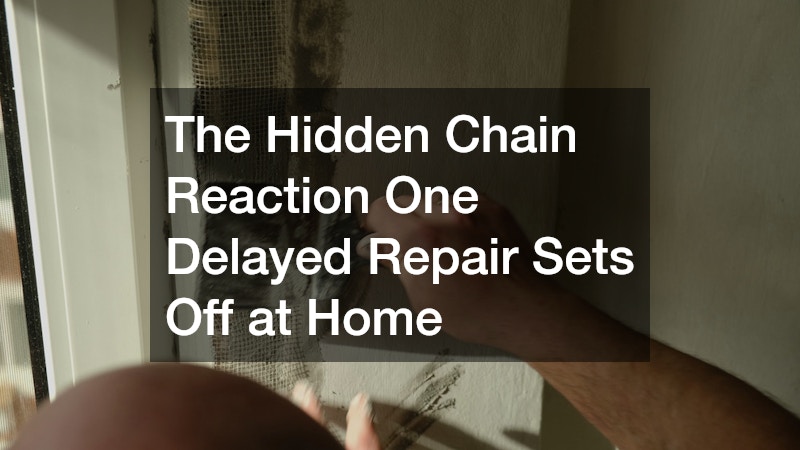
A dripping faucet or a flickering light switch rarely feels urgent, so it gets pushed to next month’s to-do list. But small home problems do not stay small. They quietly stress the systems around them until one minor fix balloons into a multi-system repair bill. Understanding how these chain reactions unfold can help you catch the next warning sign before it drags your whole house down with it.
A Leaky Roof Slowly Undermines Your Attic and Walls
A missing shingle or small flashing gap seems cosmetic at first, but water finds every path of least resistance once it gets underneath your roofline. Over weeks and months, that moisture soaks insulation, stains drywall, and weakens the wood sheathing that holds your roof together. What started as a five-minute patch job can turn into a project that requires residential roofing specialists to replace entire sections of decking rather than a single shingle.
The longer water sits trapped in your attic, the more it spreads sideways along joists, showing up in rooms far from the original leak. Homeowners are often surprised to find water stains on a ceiling on the opposite side of the house from where the roof was actually damaged. Catching a leak early keeps the repair contained and affordable.
A Slow Drain Eventually Threatens Your Foundation
A sluggish sink or a toilet that gurgles occasionally is often dismissed as a minor annoyance rather than a warning sign. In reality, these symptoms frequently point to a partial clog or a cracked pipe that is slowly leaking water into the soil around your home. Left unaddressed, that water can erode the ground beneath your foundation, leading to shifting slabs and cracked walls.
Calling a plumbing service at the first sign of recurring backups is far cheaper than dealing with foundation repair later. A licensed plumber can run a camera inspection to see exactly where a pipe is failing before it becomes a structural issue.
- Gurgling drains after flushing or running water
- Slow-draining sinks that never fully clear
- Damp spots or unexplained soft areas in the yard near sewer lines
- A persistent sewage smell near drains or outside vents
A Faulty Outlet Can Escalate Into a House Fire Risk

A warm outlet cover or an outlet that occasionally sparks is one of the clearest signs that something behind the wall is wrong, yet many homeowners simply stop using that particular outlet instead of investigating. Loose wiring connections generate heat every time current passes through them, and that heat degrades insulation around the wires over time. Eventually, the risk shifts from an inconvenience to a genuine fire hazard.
If you notice buzzing sounds, discoloration around switches, or breakers that trip repeatedly, it is worth calling an emergency electrician rather than waiting for a scheduled appointment. These symptoms can indicate a problem that worsens by the day, especially in older homes with outdated wiring. Addressing it quickly protects both your electrical system and everything connected to it.
A Struggling HVAC System Strains Your Entire Electrical Panel
When a furnace or air conditioner starts working harder than it should, most people notice higher energy bills before they notice anything else. A failing compressor, dirty coil, or clogged filter forces the system to draw more current for longer periods, which puts extra load on your electrical panel and connected wiring. Over time, this added strain can trip breakers more frequently or even shorten the lifespan of the panel itself.
Experienced HVAC contractors can usually spot early signs of overwork during a routine inspection, such as unusual vibration, excessive cycling, or ice buildup on refrigerant lines. Addressing these issues early prevents a simple tune-up from turning into a full system replacement paired with electrical repairs. It also keeps your home safer during extreme weather when your HVAC system works hardest.
- Rising utility bills with no change in usage habits
- Uneven heating or cooling between rooms
- Frequent short cycling or the system running constantly
- Breakers tripping specifically when the HVAC system kicks on
A Small Water Stain Can Signal a Growing Mold Problem

Water stains on ceilings, walls, or baseboards are often treated as a paint issue rather than a symptom of ongoing moisture intrusion. Mold spores need only moisture, warmth, and a food source like drywall paper to begin colonizing, and they can start doing so within 24 to 48 hours of sustained dampness. By the time a musty smell becomes noticeable, the growth is often more extensive than what is visible on the surface.
A professional mold removal company can identify hidden colonies behind walls or under flooring using moisture meters and, in some cases, air quality testing. This step matters because painting over a stain without addressing the underlying moisture source almost guarantees the mold will return. Treating the root cause protects both your home’s structure and your family’s respiratory health.
Neglected Yard Drainage Erodes Your Landscaping Investment
Standing water after every rainstorm is more than an eyesore; it is a sign that your yard’s grading or drainage system is not doing its job. Over time, pooling water can drown grass roots, erode soil around planting beds, and create muddy paths that track directly into your home. What begins as a drainage annoyance often ends up damaging flower beds, trees, and turf that took years to establish.
A landscape designer can assess the slope of your property and recommend solutions such as French drains, dry creek beds, or regraded planting areas that redirect water safely away from your foundation. Addressing drainage early also protects any hardscaping features already in place, since water pooling against pavers or retaining walls can cause shifting and cracking over time. Getting ahead of the problem is significantly less disruptive than replacing established landscaping later.
Cracked Pavers Set Off Structural Problems in Patios and Walkways
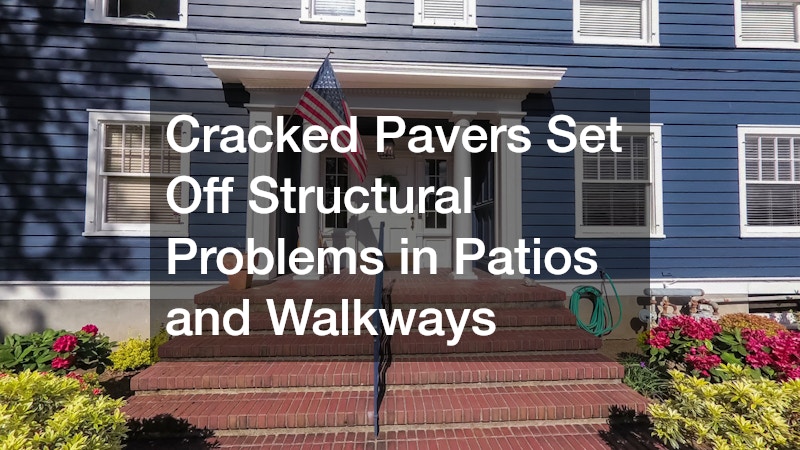
A single cracked paver or a slightly sunken section of walkway rarely gets urgent attention, but it usually means the base material underneath has shifted or eroded. Water seeps into these gaps, freezes and expands in colder climates, and gradually widens the damage each season. Left alone, a small crack can spread across an entire patio or driveway, requiring far more extensive replacement work.
Reputable hardscaping companies typically recommend addressing base and drainage issues at the first sign of settling rather than simply patching the visible crack. Ignoring the underlying cause means any patch job is likely to fail again within a year or two. Investing in a proper repair now preserves both the appearance and safety of outdoor walking surfaces.
An Outdated Electrical Panel Limits Every Future Renovation
Many homeowners do not think about their electrical panel until they try to add a new appliance or remodel a room and discover the panel cannot handle the additional load. Older panels, particularly those rated for 60 or 100 amps, often cannot safely support modern demands like electric vehicle chargers, hot tubs, or expanded kitchens. This limitation can quietly stall home improvement plans until the panel itself is addressed.
Upgrading to a 200-amp panel through professional electrical services gives a home much more flexibility for future projects and reduces the risk of nuisance tripping as demand grows. It is also worth having an electrician evaluate panel capacity before finalizing plans for any major addition. Planning ahead here can save you from a stalled project halfway through construction.
A Delayed Bathroom Leak Compromises Subfloors and Ceilings Below
A slightly loose toilet base or a shower pan that feels soft underfoot is frequently ignored because it does not look like an emergency. Homeowners often chalk up a wobbly toilet to old caulk or an uneven floor, when in reality it usually means the wax ring seal has failed and is leaking small amounts of water with every flush. That water doesn’t stay contained; it spreads beneath the tile and into the subfloor with each use, often for months before anyone notices a problem.
Once wood subflooring absorbs enough moisture, it can rot, sag, and eventually create a safety hazard for anyone standing in the room above. Plywood or OSB subfloor typically needs to reach a moisture content above 20% before decay fungi take hold, and a hidden leak can push levels well past that within weeks. By the time the flooring visibly darkens or the tile grout starts cracking along a seam, the wood underneath may already have lost much of its structural integrity.
The damage rarely stops at the floor. Water traveling through subfloor gaps and around pipe penetrations often drips onto floor joists and ceiling drywall in the room below, leading to sagging ceiling panels, peeling paint, or the telltale brown water stains that signal saturation. In severe cases, prolonged moisture exposure also invites mold growth behind walls and under flooring, turning a simple wax-ring replacement into a repair involving new subflooring, ceiling drywall, and professional mold remediation.
A slow leak around a toilet base, shower pan, or tub surround rarely announces itself right away. Water tends to travel along joists and settle in low spots, so by the time a stain appears on the ceiling below, the subfloor above may already be soft, swollen, or growing mold out of sight. A qualified bathroom remodeling service can identify whether a leak has already damaged the subfloor or ceiling material below, which is critical information before any cosmetic upgrades begin.
This inspection often involves checking for spongy or discolored flooring near the tub and toilet, probing exposed joists from below if there’s a basement or crawlspace, and testing moisture levels with a meter rather than relying on visual cues alone. In some cases what looks like a minor stain turns out to be several square feet of rotted plywood subfloor, which can run well over a thousand dollars to replace once framing and drywall repairs are included.
Replacing tile or fixtures without solving the underlying leak just delays the same water damage further, since new materials installed over a compromised structure will fail again on the same timeline as before. Taking care of the moisture source first protects the investment in any future remodeling, whether that means resealing a shower pan, replacing corroded supply lines, or reframing a section of damaged subfloor before a single new tile goes down.
Multiple Overlapping Repairs Call for Coordinated Project Management
When a home has several deferred repairs happening at once, such as roofing, plumbing, and electrical work, it can be tempting to hire separate specialists and manage each project independently. This do-it-yourself coordination approach often leads to scheduling conflicts, duplicated demolition work, and higher overall costs. A plumber might open a wall one week, only for an electrician to need access to that same cavity the next, meaning drywall gets cut, patched, and cut again unnecessarily.
Coordinating the work through general contracting services allows one team to sequence tasks logically, such as addressing structural or moisture issues before cosmetic finishes. A skilled general contractor typically follows a standard build order: structural repairs first, then plumbing and electrical rough-ins, followed by insulation, drywall, and finally paint and trim. Skipping this sequence, or letting each trade set its own timeline, is one of the most common reasons deferred-repair projects run over budget.
Coordination also matters for permitting and inspections, which often overlap when multiple systems are involved. A general contractor can bundle inspection requests, track code requirements across trades, and avoid the delays that come from scheduling each specialist’s inspection separately. This is especially valuable in older homes, where fixing one issue, like a roof leak, often reveals secondary damage such as rotted framing or outdated wiring that needs immediate attention.
Homeowners managing multiple deferred repairs should also expect a detailed project timeline that accounts for material lead times, weather-dependent work like roofing, and dependencies between trades. Without that level of planning, it’s common for a project estimated at four to six weeks to stretch into three months, simply because tasks weren’t properly sequenced or crews weren’t available when needed.
When a delayed repair has been left alone long enough, it rarely stays isolated to one problem. A slow roof leak, for example, can lead to soaked insulation, warped framing, and mold growth in a wall cavity all at once, meaning a homeowner may suddenly be facing a roofer, an insulation crew, a carpenter, and a mold remediation specialist within the same week. A general contractor can step in to evaluate all of these issues together and prioritize them based on how they affect the rest of the house, rather than tackling them in whatever order they happened to be noticed.
This kind of oversight is especially valuable once a single delayed repair has already triggered damage in multiple areas of the home. Structural issues, like a weakened subfloor or compromised framing, typically need to take precedence over cosmetic fixes, since anything built on top of an unstable foundation may need to be redone later. A contractor can also flag when certain repairs must happen in a specific sequence, such as addressing moisture problems before drywall or flooring goes back in, to avoid trapping damage behind new materials.
Bringing in coordinated management early often reduces total repair time and prevents costly overlap between trades. Without a single point of oversight, it’s common for an electrician to rewire a wall that a plumber then needs to reopen a week later, or for new flooring to be installed before a leak has been fully resolved underneath it. A contractor scheduling multiple crews can sequence the work so trades aren’t undoing each other’s progress, which often shaves days or even weeks off a project timeline while keeping the overall repair budget more predictable.
The pattern behind most expensive home repairs is the same: a small, ignored problem quietly damages the systems around it until the original issue is no longer the only one that needs fixing. Paying attention to early warning signs, and calling in the right professional as soon as something looks or feels off, is the most reliable way to keep repair costs manageable. Your next step is simple: walk through your home this week, note anything that seems slightly off, and get it evaluated before it has the chance to spread.