
As temperatures drop and days grow shorter, your home’s exterior takes on extra responsibility for keeping you comfortable and your energy bills manageable. The weeks before winter arrive are the ideal window to catch small problems before they become expensive emergencies, from drafty siding to a struggling furnace. This guide walks through the outdoor and home comfort upgrades worth tackling now, so you can settle into the cold months with confidence instead of scrambling during the first freeze. Whether you’re planning a major project or a quick fix, knowing where to focus your attention makes all the difference.
Inspect and Repair Your Home’s Exterior Siding
Your siding is the first line of defense against wind, moisture, and cold, so any cracks, warping, or gaps deserve attention before winter locks them in place. Walk the full perimeter of your home and take a close look at corners, seams, and areas around windows and doors, since these spots tend to fail first. A simple test: press gently on the siding in a few spots, and if it feels spongy or gives way, moisture has likely already worked its way underneath. Fiber cement products like Hardie Board siding hold up exceptionally well against freeze-thaw cycles because they resist moisture absorption better than wood or vinyl alternatives. Unlike vinyl, which can crack in sub-freezing temperatures, or wood, which swells and contracts as it absorbs water, Hardie Board siding maintains its shape and integrity through repeated temperature swings. This makes it a smart long-term investment if you’re already considering a siding replacement before winter arrives.

If you notice soft spots, peeling paint, or visible seams pulling apart, those are signs that cold air and moisture could be sneaking into your walls all winter long. Small gaps around a quarter-inch or wider can usually be sealed with exterior-grade caulk, but larger areas of rot or warping typically call for a professional repair or panel replacement. Addressing these issues now, rather than waiting for the first freeze, can save you from costly interior damage like insulation moisture buildup or drywall staining once temperatures drop.
Replacing damaged sections now, rather than waiting until spring, prevents small issues from turning into insulation and mold problems. Cracked, warped, or loose siding lets moisture seep behind the exterior wall, where it can sit unnoticed all winter, softening wood sheathing and encouraging mold growth in places you won’t see until the damage is extensive. A quick walk around your home’s perimeter with a flashlight can reveal a surprising number of overlooked trouble spots. Look for hairline cracks in vinyl panels, peeling or bubbling paint on wood siding, and gaps where boards have pulled away from the frame.
Pay close attention to areas around windows, doors, and corner trim, since these joints are especially prone to separating as temperatures shift. It’s also worth checking for soft spots by pressing gently on suspicious areas, as sponginess often signals rot underneath that isn’t visible from the surface. Don’t forget to inspect low sections near the foundation, where splash-back from rain and snowmelt causes the most wear over time. Catching these problems now, while materials and contractors are still readily available, is far cheaper and less stressful than dealing with an emergency repair in the middle of a cold snap.
- Look for cracked, dried-out, or missing caulking around windows and doors, and re-caulk any gaps wider than 1/8 inch before cold weather sets in
- Check for warping or buckling near the foundation where moisture tends to collect, especially within 12 inches of ground level
- Tap sections to listen for hollow sounds that indicate rot underneath, focusing on corners, seams, and areas below gutters
- Note any discoloration, dark streaks, or bubbling paint that suggests trapped water damage
- Inspect siding seams and joints for gaps where wind-driven rain or snow could seep in
- Check that siding still lies flat against the wall, since loose or bowed panels let cold air infiltrate the insulation
Schedule a Furnace and Cooling System Checkup
Before the weather turns, it’s worth having your heating system professionally inspected so it doesn’t fail on the coldest night of the year. While furnaces get most of the attention this time of year, wrapping up your annual AC service before shutting the system down for winter actually extends its lifespan and prevents corrosion from built-up moisture. A technician can flush the lines, check refrigerant levels, and clean components that would otherwise sit neglected for months.
Skipping this step often leads to costly surprises when you flip the system back on in spring. Taking care of both heating and cooling systems in the same seasonal visit also saves you the hassle of scheduling multiple appointments.
Check Your Water Heater Before Demand Increases
Cold weather means longer showers, more laundry, and higher hot water demand across the board, which puts extra strain on a water heater that may already be struggling. Sediment buildup at the bottom of the tank reduces efficiency and can cause strange noises or inconsistent temperatures, both signs that professional water heater repair should happen sooner rather than later. Catching a failing heating element or a slow leak now means you won’t be stuck with cold showers in January.
A simple annual flush of the tank can extend its working life significantly and improve overall performance. If your unit is more than ten years old, it’s worth having a technician assess whether repair or replacement makes more financial sense before the busy holiday season hits.
Prepare Your Deck for Snow and Ice Exposure
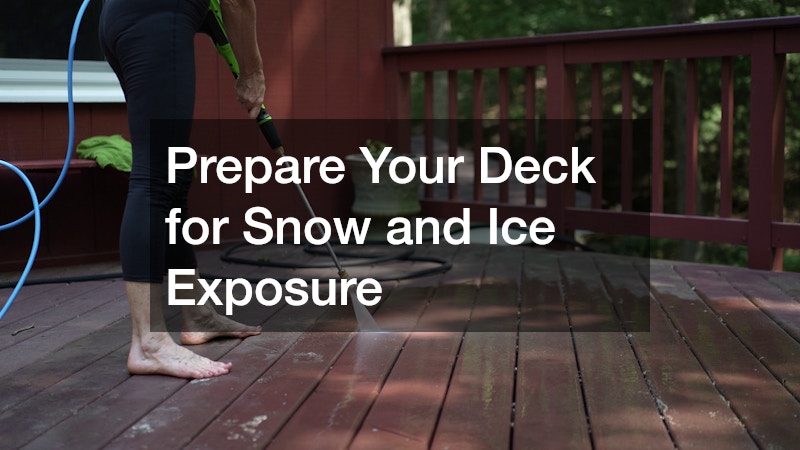
Decks take a beating from snow, ice, and freeze-thaw cycles, so late fall is the time to seal, stain, or repair any weak boards before moisture gets trapped underneath. Loose railings, soft planks, and rusted fasteners all become safety hazards once ice forms on top of them. If your deck has visible rot or structural sag, bringing in a qualified deck contractor for an inspection now can prevent a collapsed board from becoming a dangerous surprise mid-winter.
A properly sealed deck also holds up better against the salt and de-icing products many homeowners use to keep walkways safe. Taking an afternoon to clear debris from between boards and check for standing water pockets goes a long way toward extending the structure’s life.
- Sweep leaves and debris out from between boards regularly
- Apply a weatherproof sealant before the first hard freeze
- Tighten or replace loose screws and railing brackets
- Check support posts for cracking or ground contact rot
Test and Maintain Your Garage Door System
Garages are often overlooked when winterizing a home, but a malfunctioning door lets in cold air and makes daily life harder during snowstorms. Springs are under enormous tension and tend to fail without warning, especially in cold temperatures that make metal more brittle, which is why garage door spring replacement is one of the most common late-fall service calls. If your door feels unusually heavy to lift manually or makes grinding noises, that’s a sign the springs are wearing out.
Weatherstripping along the bottom and sides of the door also deserves a check, since gaps here let in drafts that raise your heating bill. A few minutes testing the door’s balance and listening for unusual sounds can save you from being stuck with a door that won’t open during the first big snowfall.
Evaluate Your Roof’s Readiness for Snow Load
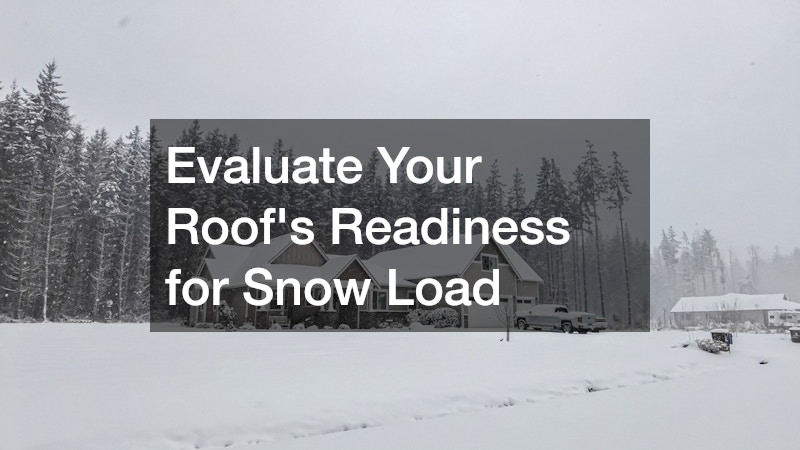
Your roof carries the heaviest burden of any exterior structure once snow and ice arrive, so a pre-winter inspection is one of the smartest investments you can make. Most roofs are rated to handle 20 pounds of snow load per square foot, but older shingles, sagging decking, or previous water damage can lower that threshold significantly. A visual check from the ground can reveal early warning signs like curling shingles, dark streaks, or a roofline that looks uneven. Missing shingles, damaged flashing, or clogged gutters can all lead to ice dams that force water backward under your roofline.
Ice dams form when heat escaping from your attic melts snow on the upper roof, which then refreezes at the colder eaves and traps water behind it. This trapped water has nowhere to go but under your shingles, often resulting in stained ceilings, soaked insulation, or warped drywall by midwinter. Many roofing companies offer free seasonal inspections this time of year, which makes it easy to catch problems before they become leaks inside your attic or ceiling.
A thorough inspection typically covers flashing around chimneys and vents, the condition of the underlayment, and whether attic insulation and ventilation are adequate to prevent uneven roof temperatures. If your roof is more than 15 years old, it’s also worth asking the inspector about remaining lifespan so you can budget ahead rather than face an emergency repair mid-storm.
Before winter arrives, walk your property and look up at your roofline for obvious warning signs: sagging spots, missing or curled shingles, or dark streaks that suggest trapped moisture. Most residential roofs are built to handle around 20 pounds of snow load per square foot, but that capacity drops significantly if the structure is already compromised or if snow is wet and heavy rather than light and powdery. Ice dams along the eaves are another red flag, since they often signal poor attic insulation or ventilation issues that worsen once temperatures drop. If your roof is older or has visible sagging, it’s worth getting a second opinion from residential roofing companies who specialize in load-bearing assessments for heavier snow regions. These professionals can measure rafter spacing, check for water damage in the attic, and estimate how much additional weight your roof can safely bear this season.
Many roofing companies also offer pre-winter inspection packages that catch small issues, like a cracked flashing seal or a weak truss connection, before they turn into costly repairs. A roof that’s properly maintained not only protects your home but also improves energy efficiency by keeping warm air from escaping through damaged sections. Sealing gaps and replacing worn insulation can lower heating costs by a noticeable margin over the course of a cold winter. Taking care of these details now means fewer emergency calls once the first major storm hits.
- Clear gutters and downspouts of leaves and debris so melting snow can drain instead of backing up under shingles
- Confirm attic insulation meets at least R-38 to R-60 (climate-dependent) to prevent heat loss that causes uneven snowmelt
- Look for curling, cracked, or missing shingles, especially on south-facing slopes exposed to sun-freeze cycles
- Watch for daylight visible through the attic boards, a sign of gaps that let warm air escape and trigger ice dams
- Inspect flashing around chimneys, vents, and skylights for rust or separation that could let meltwater seep in
- Check for sagging roof lines or soft spots, which may indicate structural stress that snow load could worsen
Furnish Outdoor Living Spaces for Cold Weather Comfort
Just because temperatures drop doesn’t mean you have to abandon your patio or porch entirely. Adding a fire pit, weatherproof cushions, or an insulated rug can extend your outdoor season well into late fall. For those setting up a new space or replacing worn furniture, rent to own furniture programs offer a budget-friendly way to outfit a porch or sunroom without a large upfront cost.
Layering in blankets, weatherproof storage bins, and a small outdoor heater can make chilly evenings on the porch surprisingly enjoyable. Even a simple wind-blocking screen can make a big difference in how usable your outdoor space remains once the temperature drops.
Add Storage Solutions for Seasonal Equipment
Winter means swapping out lawn mowers and gardening tools for snow blowers, shovels, and salt spreaders, and having a dedicated place to store it all keeps your garage and yard organized. If space is tight, working with a storage shed builder to add a small structure before winter arrives gives you a dry, secure spot for equipment that would otherwise clutter your garage or basement. A well-built shed also protects gas-powered tools from the temperature swings that can damage engines and batteries.
Choosing the right size and placement matters just as much as the build quality itself. A shed positioned too close to your fence line or too far from your driveway can create more hassle than it solves.
- Choose a shed with proper ventilation to prevent moisture buildup
- Add shelving to keep smaller tools organized and off the floor
- Consider a lockable structure if storing power equipment
- Position the shed on level ground away from runoff areas
Reinforce Property Boundaries Before Winter Weather Arrives
Snow, wind, and ice put real stress on property boundaries, and a fence that’s already leaning or loose can fail completely under the weight of a heavy storm. Inspecting your fencing now, checking posts for stability and looking for rotted or cracked boards, gives you time to make repairs while the ground is still workable. Once the soil freezes, setting new posts or making structural repairs becomes far more difficult and expensive.
A secure fence also plays a practical role in winter, keeping pets contained and blocking drifting snow from piling up against your home. Taking care of these repairs in the fall means one less thing to worry about when the first storm rolls through.
Getting your home ready for winter doesn’t require tackling everything at once, but working through these areas systematically can save you from costly emergencies when temperatures drop. Start with the systems that affect safety and daily comfort, like your furnace, roof, and garage door, then move on to the upgrades that make your outdoor spaces more enjoyable. A little preparation now means you’ll spend the cold months relaxing indoors instead of dealing with avoidable repairs. Take stock of your home’s exterior this weekend and start checking these projects off your list before the first frost arrives.