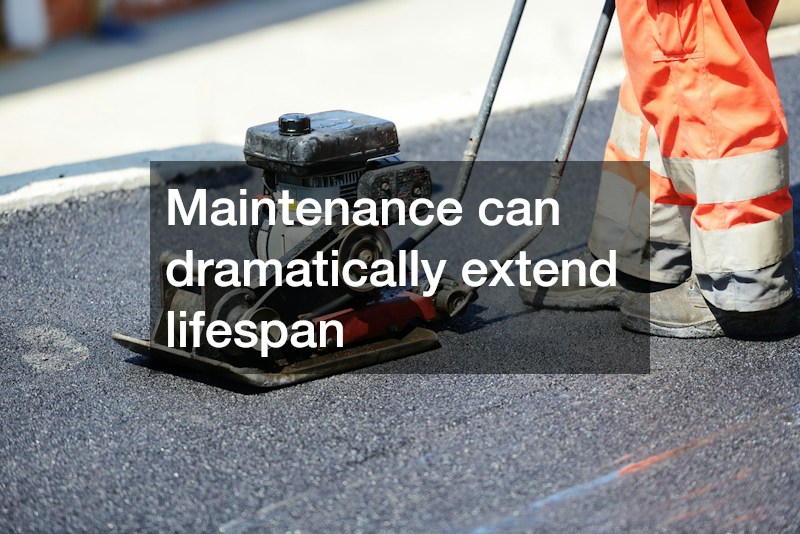
Your driveway is one of the most prominent features of your home’s exterior, serving as both a functional necessity and a major contributor to your overall curb appeal. Every day, it bears the heavy burden of passenger vehicles, delivery trucks, foot traffic, and the unrelenting impact of the weather. Despite its durable appearance, a driveway is not invincible. Without proper attention, routine wear and tear can quickly lead to unsightly cracks, costly structural degradation, and premature replacement. Fortunately, taking a proactive approach to asphalt paving maintenance can dramatically extend its lifespan, saving you thousands of dollars over time while keeping your home looking its absolute best.
Understand the Threats to Your Surface
To protect your driveway effectively, you first need to understand what causes it to deteriorate in the first place. Water is easily the single biggest enemy of any paved surface. When rain or melting snow penetrates tiny surface pores, it settles deep into the foundational layers beneath. In colder climates, this trapped water expands as it freezes, creating immense internal pressure that fractures the material from the inside out. Once spring arrives and the ice thaws, empty voids remain, causing the surface above to sag, crack, or collapse entirely into potholes.
Sunlight poses another major threat through continuous ultraviolet radiation. Over time, UV rays oxidize the binding agents in paved materials, causing them to dry out, lose their flexibility, and fade from a rich dark tone to a dull, brittle gray. Additionally, automotive fluids like engine oil, gasoline, and brake fluid act as chemical solvents. When dropped onto your driveway, they break down the binding materials on contact, leaving behind soft spots and permanent stains that accelerate surface failure.
Keep the Surface Clean and Free of Debris
Maintaining a clean surface is one of the simplest and most effective ways to preserve your driveway. Leaves, grass clippings, and dirt might seem harmless, but when allowed to sit, they trap moisture against the surface and foster organic growth like moss, algae, and weeds. Roots from aggressive weeds can penetrate micro-cracks and force them open, causing extensive structural damage below the surface. Regular sweeping removes this organic buildup before it can take root and hold unwanted moisture against your pavement.
Promptly cleaning up oil stains and chemical spills is equally vital. Whenever you spot an oil leak from a vehicle, cover the area immediately with an absorbent material like cat litter, baking soda, or commercial oil dry to pull the fluid out of the porous surface. After letting it sit for a few hours, sweep up the absorbent material and scrub the remaining residue with a stiff-bristled brush, warm water, and a heavy-duty degreaser or dish soap. Rinsing the area clean prevents the chemicals from eating away at the core structure.
Sealcoat Regularly to Protect Your Investment
Sealcoating acts as an essential shield against the elements, serving as a sacrificial barrier that absorbs the brunt of weather, sun exposure, and chemical spills. Applying a fresh coat of sealer every two to three years seals small pores, prevents water penetration, and slows down the oxidation caused by UV exposure. It also restores a rich, dark appearance that immediately enhances the look of your property.
Before applying sealer, the entire surface must be thoroughly cleaned, power washed, and completely dried. Any existing cracks or small holes should be repaired beforehand so the sealant forms an unbroken protective barrier across the top layer. While sealcoating requires an initial investment of time or money, it pays for itself many times over by pushing back the need for major structural repairs or complete replacement.
Repair Cracks and Potholes Immediately
No matter how well you care for your pavement, small surface cracks will inevitably develop over time due to ground settling and temperature changes. The key to preventing minor flaws from turning into major failures is addressing them as soon as they appear. Cracks that measure less than a quarter-inch wide can easily be filled using high-quality rubberized crack filler, which remains flexible enough to expand and contract with changing temperatures.
For larger gaps and minor potholes, use a cold-patch asphalt product to fill the void, tamping it down firmly until it is flush with the surrounding surface. By sealing off these openings promptly, you prevent water from reaching the base layer and causing widespread erosion. Ignoring small cracks allows moisture to enter freely, turning minor touch-ups into extensive projects that require professional intervention.
Manage Drainage and Heavy Loads
Water should always flow away from your driveway, not pool on top of it or along its edges. Inspect your property during heavy rains to ensure that gutters, downspouts, and landscape grading direct runoff away from the paved surface. Standing water on or adjacent to your driveway weakens the underlying soil foundation, leading to sinking and cracking along the edges. Keeping surrounding soil firm and well-drained gives your pavement the stable support it needs to bear weight evenly.
Mindful usage habits also contribute significantly to long-term durability. Avoid parking excessively heavy equipment, fully loaded moving trucks, or large RVs on residential driveways for extended periods. Try to vary where you park your personal vehicles so tire weight isn’t continuously concentrated on the exact same spots. Additionally, avoid driving directly over the unsupported outer edges of the pavement, as the borders are most susceptible to breaking off under heavy pressure.
Taking a proactive, preventive approach to care guarantees that your surface remains safe, smooth, and visually appealing for decades to come. By keeping the surface clean, addressing cracks instantly, applying protective sealants, and relying on professional asphalt paving expertise when extensive repairs are required, you protect your home’s value and avoid the unnecessary expense of early replacement.