
Key Takeaways
- The national average cost to remodel an entire home sits around $52,140 in 2026, but spending varies wildly based on scope and finishes
- Kitchens and bathrooms consistently return the highest resale value, making them smart places to put the biggest share of your money
- Always set aside a contingency fund of 15 to 20 percent for surprises like water damage, outdated wiring, or code upgrades
- Prioritize structural and system repairs before cosmetic upgrades to protect your investment long term
- Break your project into phases if cash is tight rather than skimping on quality across every room
- Get at least three written quotes from licensed contractors and ask for itemized breakdowns so you can compare apples to apples
- Finishes, fixtures, and labor are the three cost levers you can adjust when a bid comes in higher than your plan
Why Planning Beats Winging It Every Time
Walking into a remodel without a clear financial plan is one of the fastest ways to run out of money halfway through a project. You tear up a floor, find rot, lose a weekend arguing with a contractor, and suddenly the dream kitchen is a half-finished nightmare. It happens all the time, and it is almost always preventable.
The truth is, most people underestimate what a full remodel actually costs. Materials have gotten pricier, labor is in short supply, and even small design changes mid-project can snowball into thousands of extra dollars. According to NerdWallet’s reporting on U.S. Census Bureau data, American homeowners poured about $827 billion into home improvement over a two-year period ending in 2023, a jump of more than $200 billion compared to the prior two-year stretch. That is a staggering amount, and it tells you people are both spending more and tackling bigger projects.
So before you pick paint swatches or scroll through tile samples, you need a number. A real one. This guide walks you through exactly how to build that number from the ground up, room by room, so you spend where it counts and skip what does not matter.
What Does a Whole-Home Remodel Actually Cost?
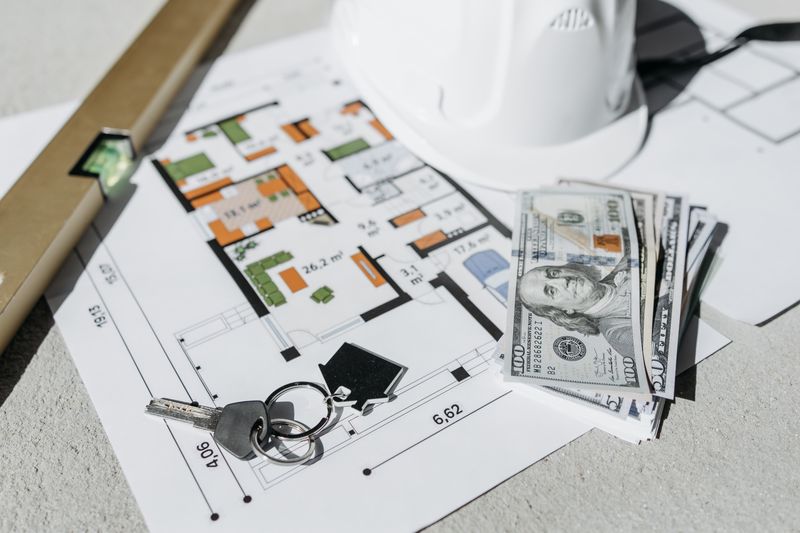
Let’s start with ballpark figures so you have a frame of reference. According to Angi, the typical price tag for residential renovations covering an entire house averaged $52,140 in 2026, drawing from over 11,000 verified projects on their platform. That number can shift dramatically based on square footage, age of the home, and the quality of finishes you choose.
Meanwhile, a Houzz & Home study reported through CCR-Mag surveyed more than 10,000 homeowners and pegged the median spend at $20,000 across all 2025 renovation projects, while the top ten percent of homeowners spent at least $150,000. The gap between those figures tells you something important: your budget depends almost entirely on your choices, not on some universal price list.
Here are the main cost drivers that will shape your final number:
- Square footage of the areas being touched
- Age and condition of existing plumbing, wiring, and framing
- Material tier (builder-grade, midrange, or high-end)
- Local labor rates in your region
- Whether you need permits or structural engineering
- How much work you can realistically do yourself
How to Set a Realistic Ceiling
Pick a number you can afford to lose without wrecking your finances, then subtract 15 to 20 percent and set that aside as a contingency. Whatever is left is your working budget. This sounds conservative, but every seasoned remodeler will tell you the same thing: surprises are not a possibility; they are a certainty.
How to Budget for a House Renovation Without Losing Sleep
Here is the part most guides skip. Figuring out how to budget for a house renovation is less about spreadsheets and more about honest prioritization. You need to rank every room and every system by how much it affects your daily life and the resale value of the home. A gorgeous kitchen means little if the roof leaks or the furnace is on its last legs.
Start by listing every project you want to tackle. Then sort them into three buckets: must-do, should-do, and nice-to-have. Must-do items are safety and structural. Should-do items protect long-term value. Nice-to-have items are purely aesthetic. Fund the first bucket completely before you spend a dollar on the third.
A smart budget allocation for a mid-sized home might look like this:
- Kitchen: 20 to 25 percent of total budget
- Bathrooms: 15 to 20 percent
- Structural and system repairs: 15 to 20 percent
- Flooring throughout: 10 percent
- Paint, trim, and lighting: 5 to 10 percent
- Contingency reserve: 15 to 20 percent
Which Rooms Deserve the Biggest Slice?
Kitchens and bathrooms are the heavy hitters, and there is a reason every real estate agent harps on them. They are the rooms buyers scrutinize most, and they also tend to have the highest concentration of expensive materials, cabinetry, plumbing, and appliances. If your goal is to boost home value alongside improving daily livability, these two spaces should get first priority after any critical repairs are handled.
Bathrooms punch above their weight in terms of return. A Houzz & Home study shared through BathGems found homeowners spent a median of $15,000 on bathroom upgrades in 2025, and midrange bath remodels recouped about 80 percent of their cost at resale. That recovery rate is tough to beat anywhere else in the house.
Kitchens cost more but also anchor the entire feel of a home. A full gut remodel can easily exceed $40,000 even for a modest space, so this is where setting clear priorities matters most.
Kitchen Priorities in Order
Cabinets and countertops eat the biggest chunk of a kitchen budget, usually around half. Appliances come next, followed by flooring, lighting, and backsplash. If funds are tight, consider refacing cabinets instead of replacing them, keeping the existing layout to avoid plumbing moves, and choosing a durable quartz over exotic stone.
What About Bedrooms, Living Areas, and the Basics?
Bedrooms and living rooms are the easiest places to save money without sacrificing quality of life. Fresh paint, refinished floors, new trim, and updated lighting can transform these spaces for a fraction of what a kitchen costs. Most homeowners can tackle a bedroom refresh for under $3,000 if they handle painting themselves.
Living areas benefit from the same approach. Focus on the elements people actually touch and see every day. That means flooring, wall color, window treatments, and lighting fixtures. Built-ins and fireplaces are lovely but rarely recover their cost at resale, so treat those as personal indulgences funded from the nice-to-have bucket.
Do not forget the unglamorous stuff. Insulation, windows, HVAC tune-ups, and electrical panel upgrades will never show up on an Instagram feed, but they quietly protect every dollar you spend on visible improvements. If your home is older, these updates often take priority. For anyone restoring older homes or working with a property built before 1980, expect to spend a meaningful share of your budget on systems that are long overdue for replacement.
How Do You Keep Costs From Spiraling?
Scope creep is the silent killer of renovation budgets. You start with a bathroom refresh, then decide to replace the vanity, then figure you might as well retile the floor, and before you know it, you have doubled the price of a simple weekend job. The only reliable defense is a written scope agreed to before any demolition starts.
Every change order should go through the same question: does this fix a problem I did not know about, or is this a want I developed mid-project? The first category is worth funding from your contingency. The second almost never is. Sleep on wants for at least a week before approving them, and you will kill most of them on your own.
Three habits keep budgets intact:
- Lock finishes and fixtures before demo day, not during
- Require written change orders with prices before any extra work begins
- Review spending weekly against your original plan, not monthly
Negotiating With Contractors Without Being a Jerk
Good contractors expect negotiation, but they also expect respect. Ask for itemized bids so you can see labor, materials, and markup separately. If one line looks high, ask why instead of demanding a cut. Sometimes the answer reveals a hidden cost you would have paid eventually anyway. Other times it opens the door to a cheaper alternative the contractor is happy to source.
Pay attention to the payment schedule too. A fair deposit is typically 10 to 25 percent, with progress payments tied to completed milestones. Anyone asking for half upfront is a red flag.
Phasing Your Project When the Money Will Not Stretch
If your dream list adds up to more than your account can cover, phasing is far better than cheapening everything. Tackle the kitchen this year, bathrooms next year, and exterior work the year after. Each phase gets full-quality materials and proper labor instead of a thin coat of compromise spread across the whole house.
Group projects that share trades to save on mobilization costs. If a plumber is already on site for the kitchen, that is the moment to replace the water heater or rough in a future bath. Electricians, drywallers, and painters all work more efficiently when they can batch tasks in one visit.
A reasonable phasing order for most homes:
- Phase one: roof, foundation, major systems, and anything causing active damage
- Phase two: kitchen and primary bathroom
- Phase three: secondary bathrooms, flooring, and whole-home paint
- Phase four: cosmetic extras, built-ins, landscaping, and outdoor living
Tracking Every Dollar Once Work Begins
A budget on paper means nothing if you are not checking it against reality. Set up a simple spreadsheet with three columns: estimated cost, actual cost, and variance. Update it the same day you receive an invoice or swipe a card. Waiting even a week makes it too easy to lose track of small purchases that add up fast.
Keep every receipt, every contract, and every change order in one folder, physical or digital. When tax season arrives or you eventually sell the home, documentation of capital improvements can reduce your taxable gain. That paperwork is also your only protection if a dispute arises with a contractor or supplier down the road.
Conclusion
Renovating a home is equal parts exciting and nerve-wracking, and the difference between a project you love and one you regret almost always comes down to the planning you did before the first hammer swung. A realistic budget, honest priorities, and a healthy contingency cushion are worth more than any design trend or trick of the trade.
Start with the rooms that earn their keep, protect the bones of the house, and resist the urge to chase every shiny upgrade you see online. Spend deliberately where it matters, save confidently where it does not, and phase the work if that is what it takes to do things right the first time.
The homeowners who come out of a remodel smiling are rarely the ones who spent the most. They are the ones who knew their number, stuck close to it, and made peace with trading a few wants for the peace of mind that comes from finishing strong and on budget.