Buying a home is exciting until you walk through the front door with a toolbox and a wishlist. Suddenly, every room whispers a different request. The kitchen wants new cabinets. The bathroom wants a rainfall shower. The living room wants shiplap and a feature wall. It is easy to get swept up in the fun stuff before you have even asked whether the house itself is standing on solid ground.
Here is the uncomfortable truth most first-time renovators learn the hard way: a gorgeous kitchen means nothing if the floor beneath it is sinking. Fresh paint cannot hide a leaking roof for long. The shiny upgrades we see on television shows are almost always the final step of a much longer, much less glamorous process.
This guide is written for someone who has never picked up a level or read a home inspection report. We will start from zero, explain what structural means, why it comes first, and how to think about your money in a way that protects both your home and your sanity.
What Does “Structural” Actually Mean?
When people in the renovation world say “structural,” they are talking about the parts of your house that hold everything else up. Think of your home like a human body. The structural elements are the skeleton. The cosmetic elements are the skin, hair, and clothes. You can change your outfit every day, but if your spine is crooked, no outfit is going to fix that.
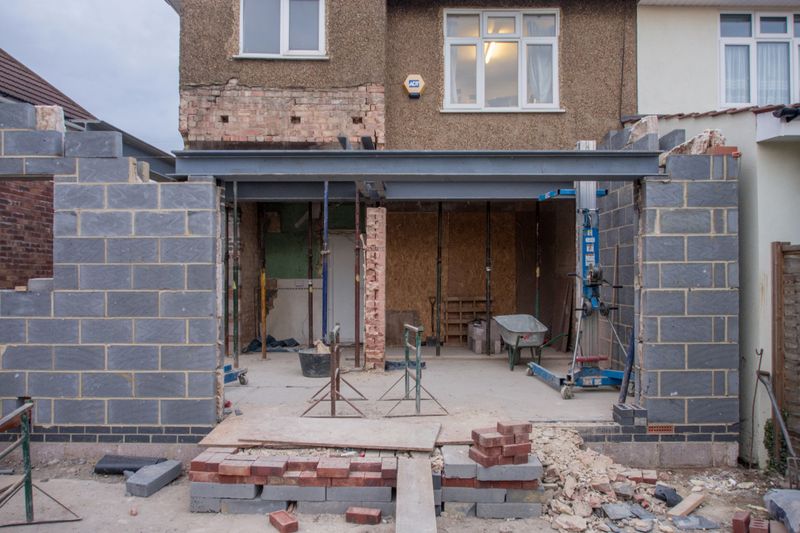
The core structural parts of a home usually include the foundation, the framing (the wooden or steel bones inside the walls), the roof, load-bearing walls, support beams, and the subfloor. These pieces work together to keep your house upright, dry, and safe. When one of them fails, the damage spreads. A small roof leak can rot framing. Rotten framing can shift walls. Shifted walls can crack your brand-new tile backsplash.
Cosmetic upgrades, on the other hand, are the visible finishes. Paint, flooring, cabinets, light fixtures, countertops, trim, and hardware. They make a home feel like yours, but they do not keep the building standing.
Why Structural Work Has to Come First
Imagine spending twelve thousand dollars on a stunning hardwood floor, then discovering six months later that your foundation needs repair. To access the foundation, contractors may need to tear up that beautiful floor. You just paid twice for the same square footage, and you lost the floor you loved. This is the single most common mistake new homeowners make.
Structural issues also get worse with time. A hairline crack in a foundation today can become a serious problem in two winters. Moisture, soil movement, and gravity never take a day off. Cosmetic problems, by contrast, mostly stay where you left them. Peeling paint in 2026 will still just be peeling paint in 2028.
There is also a financial reality to consider. According to BuildConstruct.com, the typical cost of foundation repair sits near $5,001 nationally, with most projects landing somewhere between $2,176 and $7,833. That is a wide range, and it is the kind of expense that can wipe out a cosmetic budget overnight if you did not see it coming.
How to Spot Structural Problems Early
You do not need to be an engineer to notice warning signs. You just need to know where to look. Walk slowly through your home with fresh eyes, as if you were a buyer seeing it for the first time, and pay attention to anything that feels slightly off.
Here are common red flags worth taking seriously:
- Cracks in walls wider than a quarter inch, especially around doors and windows
- Doors or windows that stick, jam, or no longer close properly
- Floors that slope, bounce, or feel soft underfoot
- Water stains on ceilings or in basement corners
- Gaps between the floor and baseboards, or between walls and the ceiling
- A musty smell that never fully goes away
If you spot two or three of these in the same area, it is time to call a licensed home inspector or a structural engineer. The inspection usually costs a few hundred dollars and can save you tens of thousands.
When to Call a Professional Versus Trusting Your Eyes
A good rule of thumb: if the issue involves water, movement, or anything hidden behind a wall, bring in a professional. If the issue is purely visual, like a scuff or a dated paint color, you can trust your own judgment. Structural guesswork is expensive. Cosmetic guesswork is not.
Building a Smart Order of Operations
Once you accept that structure comes first, the next question is how to sequence the work. A smart renovation moves from the outside in, from the bottom up, and from hidden to visible. That means roof and foundation before walls, walls before flooring, flooring before paint, and paint before decor.
Understanding how to budget for a house renovation starts with accepting that the invisible work almost always costs more than the pretty work. New homeowners are often shocked that a roof replacement can cost as much as a full kitchen remodel. According to Angi, the national average to replace a roof in 2026 is $9,611, based on nearly 33,000 verified projects. That number is not a luxury upgrade. It is a basic shelter cost.
A healthy sequence looks something like this:
- Address any urgent safety issues first, like electrical hazards or active leaks
- Repair or reinforce foundation, framing, and roof
- Update major systems: plumbing, electrical, HVAC
- Insulate and seal the envelope of the house
- Install flooring, drywall, and trim
- Finish with paint, fixtures, and cosmetic details
Following this order prevents the heartbreak of damaging new finishes to fix old bones.
Smart Planning Tips for First-Time Renovators

Budgets rarely survive first contact with reality. According to the 2026 Houzz and Home Study, 37% of renovating homeowners exceeded their budgets in 2025. That is more than one in three. CleverOffers Research puts the number even higher in its own survey, finding that 70% of homeowners went over budget on their most recent project. Whichever figure you trust, the lesson is the same: plan for the overrun before it happens.
The simplest way to protect yourself is to build a contingency fund of at least 15 to 20 percent on top of your estimated total. If the project comes in under, you have money left for the fun stuff. If it comes over, you are not scrambling for a credit card. These small Planning Tips can be the difference between finishing your renovation calm and finishing it in debt.
It also helps to think in phases rather than one giant project. Many homeowners try to do everything at once and burn out financially and emotionally. A phased approach spreads the work over months or years and lets you learn as you go. A thoughtful room-by-room approach with clear room-by-room priorities gives you a map instead of a scramble.
Questions to Ask Before You Spend a Dollar
Before approving any quote, ask yourself four quick questions. Is this repair preventing future damage? Will this upgrade still look good in ten years? Could doing this now make a later project harder? Is there a cheaper way to achieve the same result? Honest answers tend to reshape priorities fast.
Balancing Function and Beauty Over Time
None of this means cosmetic upgrades do not matter. They absolutely do. A home should feel good to live in, not just be technically sound. The point is not to ignore the fun parts forever, but to earn them by handling the essentials first.
A good way to stay motivated during the boring phase is to plan small cosmetic rewards along the way. Maybe you cannot afford the full kitchen remodel this year, but you can swap out drawer pulls, repaint the island, or install a new pendant light. These tiny wins remind you that progress is happening, even while the bigger money goes into things nobody will ever see.
Over time, the pendulum naturally swings. Year one might be almost entirely invisible work: a new roof, some foundation underpinning, a rewired panel. Year two can start to show above the surface with refinished floors and fresh drywall. By year three, you are finally picking out tile and paint colors with the confidence that nothing underneath is going to betray you.
Keeping a Running Home Health Log
One habit that separates calm homeowners from stressed ones is documentation. Keep a simple notebook or a folder on your phone where you log every repair, every inspection, every quote, and every receipt. Note the date, the contractor, the warranty, and any follow-up needed. When something new goes wrong, you have a record to reference instead of a memory to strain. It also makes your home far easier to sell later, because buyers trust a paper trail.
Common Myths That Cost Homeowners Thousands
A few beliefs float around the renovation world that sound reasonable and end up being expensive. The first is that older homes are automatically more solid because “they do not build them like they used to.” Older homes have charm, but they also have outdated wiring, lead paint, undersized beams, and settled foundations. Age alone is not a quality rating.
Another myth is that cosmetic upgrades always add resale value. Some do, some do not. A $40,000 kitchen in a modest neighborhood rarely returns its full cost. Meanwhile, a new roof or updated electrical panel, while invisible, often matters far more to appraisers and inspectors.
The third myth is that you can always “fix it later.” Later is usually more expensive, more disruptive, and more likely to damage whatever cosmetic work you completed in the meantime. The cheapest version of most repairs is the one you do before the problem grows.
Working With Contractors Without Getting Burned

The right contractor can make structural work feel manageable. The wrong one can turn it into a nightmare. Always get at least three written bids for any major project, and be suspicious of anything dramatically lower than the others. That low bid usually means missing scope, unlicensed labor, or a surprise invoice halfway through.
Ask for proof of licensing and insurance, and actually call to verify. Request references from projects completed at least two years ago, not last month, so you can hear how the work held up. A contractor proud of their work will hand over that list without hesitation.
Before signing anything, read the contract slowly and look for these essentials:
- A clear scope of work, written in plain language
- A payment schedule tied to milestones, not calendar dates
- A start date and estimated completion window
- Written warranty terms for both labor and materials
- A change order process that requires your signature before extra work begins
Never pay more than a small deposit up front, and never pay the final installment until the work is fully complete and inspected.
Conclusion
Prioritizing the bones of your home before the finishes is not the glamorous advice anyone wants to hear. It is, however, the advice that protects every dollar you spend afterward. A sound foundation, a solid roof, and reliable systems are what allow the beautiful parts of a renovation to actually last. Skip them, and every cosmetic choice sits on borrowed time.
If you are just starting your first project, give yourself permission to go slow. Order inspections before orders of granite. Build your contingency fund before your mood board. Talk to professionals before trusting your assumptions. The homeowners who finish renovations feeling proud are almost never the ones who moved fastest. They are the ones who moved in the right order.
The reward for doing it this way is quiet but real. You get a home that does not surprise you with hidden bills, a budget that stretches further than you expected, and finishes you can enjoy without worrying about what is happening behind the walls. That peace of mind is worth more than any feature wall, and it is the true foundation every great renovation is built on.