As autumn colors fade, the sudden arrival of freezing temperatures, heavy snow, and biting winds is inevitable. Nothing is quite as stressful as discovering a major household failure during the coldest week of the year. Plunging temperatures test the limits of your property’s infrastructure. However, the true cost of procrastination is steep. Minor autumn maintenance tasks can prevent expensive emergency repairs, wasted energy, and severe structural water damage once the thermometer drops below freezing. A proactive approach is always more affordable and less stressful than a reactive one. Consider a room-by-room and exterior-to-interior preparation strategy. By breaking down the essential tasks, we will help you separate the simple weekend do-it-yourself projects from the complex jobs that are best left to licensed specialists. Taking the time to properly prepare your living space now ensures that you and your family will remain warm, safe, and comfortable throughout the demanding winter months ahead.
Run an Early-Season Heat Test and Swap Filters
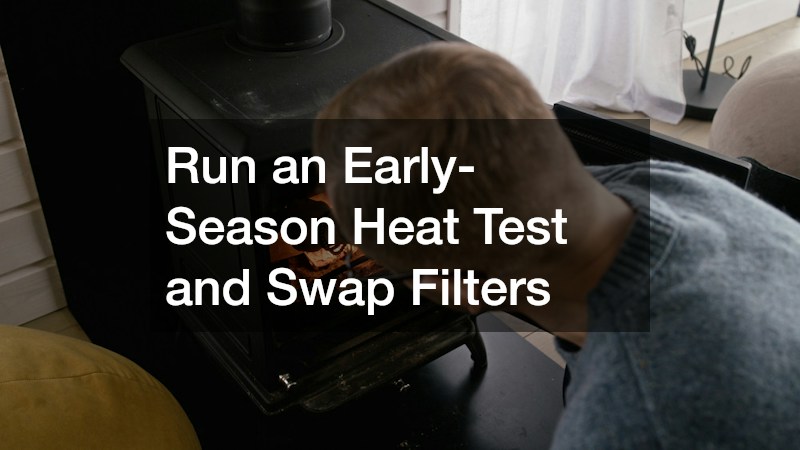
Your heating system is the beating heart of your home during the winter. To ensure it runs flawlessly, it is crucial to perform an early-season heat test. Turn on your thermostat a few weeks before the actual freezing weather arrives. Doing this allows you to catch strange odors, uneven heating, or short-cycling early on, giving you ample time to troubleshoot before the intense cold sets in.
A critical part of this early preparation involves checking and replacing your air filters. You should replace clogged filters every thirty to ninety days to maintain proper airflow and keep utility bills manageable. Furthermore, safety should be a top priority. Clear dust, storage boxes, and flammable items at least three feet away from all heating units and floor vents. While simple maintenance is a great start, a comprehensive check is vital for winter readiness. Consider the following professional steps:
- Book a fall tune-up with a reputable HVAC company to clean burners, inspect heat exchangers for carbon monoxide leaks, and calibrate your thermostats.
- A properly calibrated thermostat ensures that the temperature reading matches the actual room temperature, preventing the system from overworking.
- Ask the technician to check all ductwork for leaks, which can account for significant heat loss and inflated energy bills.
- Have the blower motor and belts inspected for wear and tear, replacing them if they show signs of imminent failure.
You must also evaluate the overall age and efficiency of your current setup. There are clear warning signs that repairs are no longer cost-effective, such as units that are over fifteen years old, steadily rising energy bills, or frequent mechanical breakdowns. If you notice these red flags, planning a proactive furnace replacement before the snow flies is the best way to avoid a catastrophic mid-winter emergency where your family is left without heat.
Weatherstrip Entryways and Upgrade Threshold Seals
A significant portion of your home’s heating can be lost through poorly sealed entryways and gaps in your thermal envelope. Identifying and eliminating these drafts is one of the most cost-effective ways to prepare for winter. Start by checking exterior doors for daylight gaps, worn rubber sweeps, and compressed weatherstripping. If light peeks through the edges, cold air is certainly making its way inside.
Installing heavy-duty door sweeps and adjusting strike plates stops cold air infiltration and prevents the warm indoor air you are paying to heat from escaping. For secondary entry points, such as those leading to an unheated garage or a drafty basement, consider adding thermal curtains or weighted draft stoppers at the base of the frame to provide an extra layer of insulation. Upgrading these fixtures not only improves your daily comfort but also significantly increases the overall energy efficiency and market value of your property. Beyond your main entry points, the frames surrounding your glass panes require careful attention. On a breezy autumn day, test for hidden drafts by slowly moving an incense stick or a thermal leak detector around the edges of the frames. If you notice the smoke wavering or the temperature dropping, you have a leak.
- Carefully scrape away any cracked or brittle exterior caulking using a putty knife.
- Apply a fresh, continuous bead of high-quality silicone sealant around the exterior trim to block moisture and freezing air.
- Inspect the glazing putty on older wooden frames and replace any sections that have chipped away.
Sometimes, temporary plastic insulation kits and fresh caulk are not enough to combat severe heat loss. If you notice condensation trapped between double panes, or if the frames are severely warped and rotting, it is a sign that the seals have completely failed. In these cases, you should consult local window companies to discuss energy-efficient, multi-pane upgrades that will permanently resolve the issue.
Clean Gutters and Redirect Roof Runoff Away from Walls
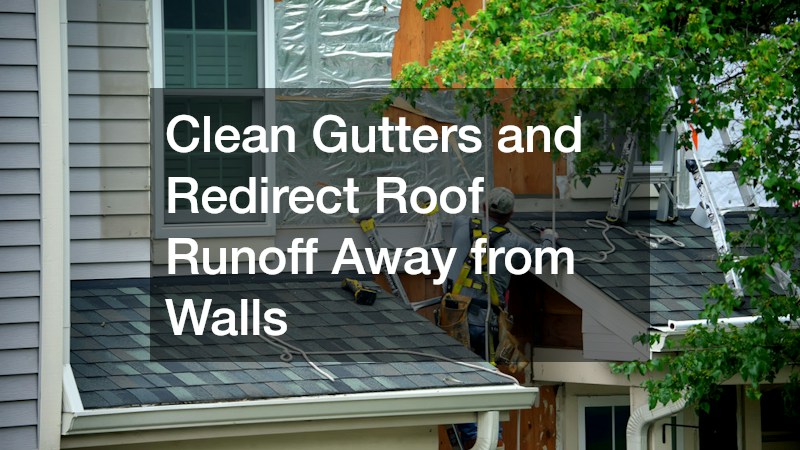
Winter weather is merciless on the exterior of your property. Protecting your home against relentless moisture and damaging freeze-thaw cycles begins at the roofline. Clogged gutters are one of the leading causes of winter water damage. When leaves and debris block the flow of water, melting snow backs up and freezes, creating heavy ice dams. These ice dams force water back up under your shingles and down inside your exterior walls, leading to catastrophic rot and mold.
To prevent this, thoroughly clear all leaves and pine needles from your gutters. Flush the downspouts with a high-pressure hose to ensure they are completely clear. Add downspout extensions that discharge water at least five feet away from your foundation to prevent basement flooding when the ground freezes. Your home’s exterior cladding is the primary shield against blizzards and sleet. Walk the perimeter of your home, looking closely for the following issues:
- Loose panels, popped nails, or sections of wood rot that could allow moisture to penetrate the sheathing.
- Gaps around utility pipes, dryer vents, and outdoor faucets, which should be sealed with expanding foam or exterior-grade sealant.
- Cracks in brick mortar or stucco that require immediate tuckpointing or patching before water freezes inside them.
When water gets trapped behind damaged cladding, it freezes, expands, and causes severe structural decay that can spread rapidly. Ignoring these exterior vulnerabilities often results in hidden interior damage that goes unnoticed until spring thaws reveal ruined drywall and compromised framing. While minor caulking is a simple weekend task, large areas of rot or loose panels require professional intervention. If your exterior barrier is compromised, it is wise to call professional siding services to replace the damaged sections and restore a completely weather-tight envelope before the first major snowstorm hits.
Set Up High-Traffic Entryway Drop Zones

While we often focus on fortifying the exterior, the interior of your home takes a massive beating during the winter months. Rock salt, abrasive gravel, and melted snow are continuously tracked inside, threatening to scratch, stain, and ruin your beautiful interior surfaces. To combat this, setting up highly functional entryway drop zones is essential.
Create a defense system at every entrance. Place heavy-duty scraper mats just outside the door to remove large debris and snow from footwear. Immediately inside, utilize highly absorbent runners to catch remaining moisture. Implement designated boot trays to contain melting slush and keep wet shoes off your primary surfaces. Developing safe winter cleaning habits is equally important. Wipe up puddles immediately to prevent water from seeping into seams, and always use pH-neutral cleaners rather than harsh chemicals that can permanently strip the protective finishes from your materials. The indoor climate also poses a significant threat to your interior finishes. The extreme dry air produced by constant heating causes natural materials to react violently. Maintaining an optimal indoor environment not only protects your investment but also makes the home feel significantly warmer and more comfortable for your family.
- Monitor your indoor humidity levels closely; ideally, they should remain between 35 percent and 45 percent throughout the winter.
- Utilize whole-home or portable humidifiers to introduce necessary moisture back into the air, preventing hardwood planks from shrinking, splintering, and separating.
- Ensure that areas near entryways are kept dry, as excess moisture sitting on the surface will inevitably lead to cupping or severe subfloor damage.
If your surfaces are already showing signs of significant wear, deep scratches, or water damage from previous winters, do not wait for the situation to worsen. It is highly recommended to consult experienced flooring services to refinish worn sealants or repair compromised subfloors before the peak of winter foot traffic exacerbates the damage.
Disconnect Hoses and Insulate Vulnerable Pipes
Frozen and burst pipes are among the most destructive and costly winter disasters a homeowner can face. Water expands when it freezes, exerting immense pressure that can shatter even solid copper or galvanized steel lines. Winterize your water lines well before the first overnight freeze. Start by shutting off the interior valves that supply your exterior spigots. Once shut, open the outside taps to drain any residual water, and install insulated faucet covers to block freezing winds.
Pipes in unheated basements, crawl spaces, and garages are particularly vulnerable. Take the time to wrap these exposed lines securely with foam pipe sleeves, making sure to tape the joints to prevent cold air from slipping through. For areas prone to deep freezes, utilizing UL-listed heat tape can provide an active layer of warmth. Crucially, remind everyone in your household where the main water shut-off valve is located and test it to ensure it turns easily, allowing you to act fast if a pipe does happen to burst. Winter also brings immense stress to your underground drainage systems. Autumn leaves, heavy grease from holiday cooking, and tree roots seeking the warmth of your sewer lines can easily trigger messy backups during freezing weather.
- Monitor how quickly your sinks and tubs empty; if drains are running slow, do not ignore the warning signs.
- It is highly beneficial to schedule a drain cleaning company for preventative hydro-jetting or a thorough camera inspection to clear out deep-seated blockages before the ground freezes solid.
- Keep gutters and perimeter drains clear of ice and debris so that sudden winter thaws have a clear path away from the foundation.
For complex rerouting of freeze-prone piping, or to service aging sump pumps and water heaters before they fail under heavy seasonal demand, bring in licensed plumbing contractors to handle the technical upgrades safely.
Inspect Smoke Detectors, Surge Protection, and Panel Capacity

Heavy ice accumulation, gale-force winds, and falling tree branches make winter the prime season for sudden, extended power outages. Securing your power supply and electrical safety systems is a vital step in your seasonal preparation. Test every smoke and carbon monoxide alarm, swapping in fresh batteries to ensure they are fully operational. Winter brings an increased use of space heaters and fireplaces, making functional detectors absolutely critical.
Additionally, evaluate how you are managing your electrical loads. Inspect all heavy-duty extension cords used for space heaters, discarding any with frayed wires or loose prongs. If you live in an older property, the increased demand of winter appliances can overwhelm your system. It is wise to schedule licensed electrical contractors to inspect older breaker panels, install comprehensive whole-house surge protectors, and verify that all outdoor outlets have functioning GFCI protection before wet, icy storms arrive. Having a robust electrical plan in place ensures that a severe winter storm remains a minor inconvenience rather than a hazardous survival situation. When the grid fails, a reliable backup power solution is the only thing standing between your family and freezing temperatures. While portable gas generators are a common temporary fix, they come with severe limitations, require constant refueling in the freezing cold, and carry dangerous carbon monoxide risks if improperly placed.
- Consider the superior reliability of automated backup systems that seamlessly keep your furnace, refrigerators, and critical sump pumps running without manual intervention.
- Evaluate your household’s specific wattage requirements by conducting a thorough load calculation of your most essential appliances.
- Review local municipal permitting rules, noise ordinances, and fuel line trenching requirements before breaking ground.
If you want total peace of mind during grid failures, start planning whole home generator installations well ahead of the peak winter storm season, as professional installation schedules fill up rapidly once the first blizzard hits the forecast.
Preparing your property for the harshest season of the year does not have to be an overwhelming endeavor. By breaking these tasks down and prioritizing action over perfection, you can tackle this checklist over the course of a few weekends. Completing these preventative steps today is far easier, and dramatically cheaper, than dealing with an emergency breakdown in the middle of a freezing January night. The peace of mind that comes from knowing your living space is warm, dry, energy-efficient, and resilient against whatever the winter months bring is truly invaluable. Do not wait for the first snowflake to fall. Bookmark this comprehensive checklist, start with the quick do-it-yourself tasks this weekend, and schedule your local specialists early before seasonal calendars fill up and wait times stretch into the new year.