
Receiving the keys to a newly purchased property marks a significant personal milestone for any family. After weeks of intense price negotiations, detailed paperwork, and packing endless cardboard boxes, moving day finally appears on the calendar. However, closing escrow is merely the initial phase of long-term property ownership. Prior to pulling the large moving truck into the driveway and carrying heavy furniture through the front door, smart new homeowners should take proactive steps and plan ahead to evaluate, repair, and optimize their living space.
A general real estate inspection gives buyers a helpful high-level view of a home’s overall physical condition, but standard pre-sale reports rarely uncover every hidden system defect or maintenance oversight. Specialized tradespeople bring dedicated testing equipment, trade knowledge, and focused practical experience to evaluate major mechanical systems, structural framing, and landscape health. Handling major repairs or preventive tune-ups while the home remains completely empty saves considerable stress and prevents early disruptions to daily family life. Empty rooms allow technicians unhindered access to walls, utility panels, crawl spaces, and floors without navigating around personal belongings. The following detailed master checklist outlines ten essential professional trade services every buyer should coordinate before unpacking their first box.
1. Heating and Cooling Systems: Securing Climate Control
Climate control systems run nearly continuously to maintain stable indoor temperatures across changing seasons. Even if a standard purchase inspection indicates that the furnace and air conditioner operate properly, setting up a thorough maintenance visit before move-in day is a wise decision. Dust, pet dander, drywall powder, and forgotten construction debris frequently accumulate within air ducts, blower wheels, and external condensing units, reducing overall operating efficiency and degrading indoor air quality for residents.
A comprehensive evaluation by a certified technician includes inspecting electrical wiring connections, clearing condensate drain lines, testing thermostat calibration, and measuring refrigerant levels across the system. Specialists also check furnace heat exchangers for dangerous hairline cracks that could leak harmful carbon monoxide into living spaces. Cleaning dust from internal mechanics reduces operational strain on internal motors, helping prevent costly emergency breakdowns during peak summer or winter weather. Arranging professional HVAC service prior to occupancy guarantees that the living space remains comfortable from the moment the family steps inside. Additionally, starting with clean, properly tuned equipment helps lower overall monthly home energy utility costs right from the very first residential billing statement.
2. Plumbing Infrastructure: Preventing Hidden Water Leaks
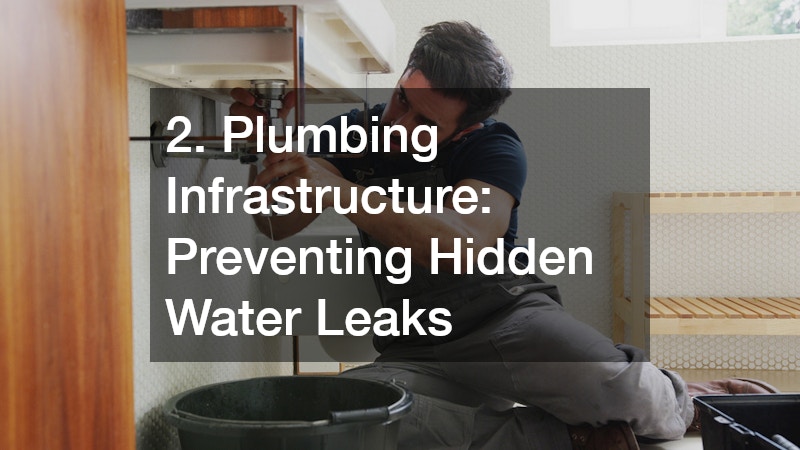
Water damage represents one of the most expensive hazards a residential owner can experience. Dripping valves, aging supply lines, and clogged main sewer lines can quietly damage floor joists, drywall, and subfloors long before visible wet spots appear on ceilings. A general real estate home inspector usually turns on faucets and flushes toilets, but deeper plumbing issues require direct attention from a dedicated local trade specialist equipped with specialized diagnostic tools.
Hiring an experienced local plumber to perform a thorough system evaluation offers clear protection against unexpected plumbing emergencies. A trade specialist can inspect the main shut-off valve, check incoming water pressure levels, test the water heater’s pressure relief valve, and inspect flexible braided supply lines located under bathroom and kitchen sinks. For older properties, requesting a sewer camera inspection is a valuable step that identifies invasive tree root intrusions or cracked clay pipes before sewage backs up into living spaces. Fixing minor drips, replacing worn rubber hoses with braided stainless steel lines, and verifying drain performance ahead of time keeps water running smoothly without unexpected surprises on moving day.
3. Electrical Systems: Prioritizing Residential Safety
Faulty electrical infrastructure poses serious fire hazards and safety risks for any residential property. Older homes often feature outdated wiring systems, overloaded breaker panels, or ungrounded two-prong outlets that cannot safely support modern high-draw appliances and personal electronics. Even newer homes can suffer from improper DIY electrical modifications performed by previous residents without proper safety permits.
Bringing in a licensed electrical contractor prior to moving heavy furniture into the house ensures the entire electrical system complies with current national safety codes. An electrician tests ground-fault circuit interrupter outlets near sinks, evaluates the total electrical panel amp capacity, tightens loose terminal connections, and verifies proper grounding across all circuits. Empty rooms provide an ideal workspace for installing additional wall outlets, dedicated appliance lines, smart home switches, or ceiling lighting fixtures without shuffling furniture around or disturbing daily routines. Addressing dangerous electrical deficiencies early guards valuable home electronics against sudden power surges, optimizes power distribution across all living spaces, and provides total safety for the entire household.
4. Roof Integrity: Safeguarding Structural Elements
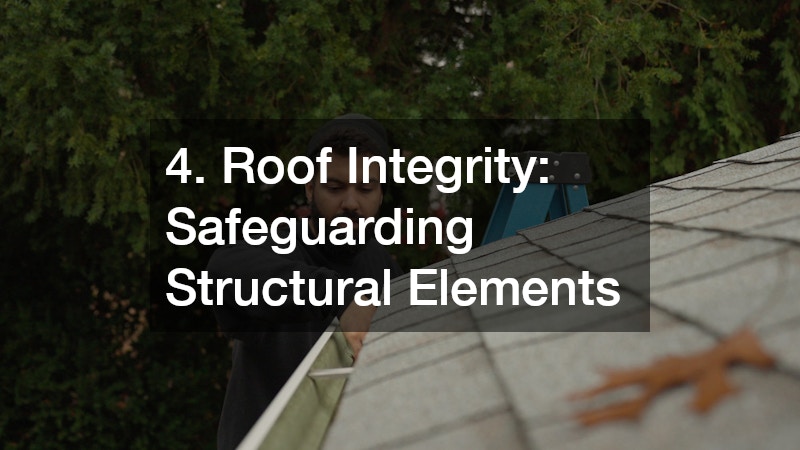
The roof acts as a building’s primary line of defense against heavy rain, snow, hail, and intense solar heat. While real estate inspectors take a brief look at roof slopes from ground level or a ladder, a specialized roof evaluation requires walking the surface to examine shingles, flashing, ridge vents, and interior attic spaces. Minor roof leaks can exist for months without notice, quietly soaking attic insulation and rotting structural wood support beams.
Scheduling an inspection with a certified roofing professional gives home buyers and new owners a clear understanding of the roof’s remaining operational life. Experienced contractors check for cracked, missing, or curling shingles, deteriorating rubber boot seals around pipe vents, and rusted chimney flashing. They also inspect attic spaces for proper ventilation airflow, which prevents moisture buildup and wood rot over time. Completing necessary repairs before bringing personal possessions into the home prevents unexpected ceiling leaks from damaging clothes, rugs, and valuable wooden furniture during sudden, severe downpours. Taking proactive care of the primary roof line preserves critical structural integrity, prevents water leaks, and secures the overall financial investment.
5. Exterior Drainage: Managing Water Runoff
Effective exterior drainage systems play a critical role in preserving a house’s foundation, basement walls, and surrounding land. Gutters that sag, leak at seams, or lack sufficient downspout extensions allow rainwater to cascade off the roof edge and collect directly along foundation footings. Over time, standing water creates intense hydraulic pressure against basement walls, causing structural cracks, severe soil erosion, and wet crawl spaces.
Scheduling a professional gutter install guarantees that rainwater flows efficiently off the roof pitch and discharges safely away from foundation footings. Specialized installers measure roof dimensions to determine correct gutter sizing, calculate optimal downspout positions, and fit durable seamless aluminum channels. They can also fit protective leaf guards to prevent leaves, pine needles, and organic debris from clogging downspouts during autumn months. Installing heavy-duty seamless aluminum gutters protects exterior siding from water splashback, keeps underlying crawl spaces and basements completely dry, and eliminates dangerous high ladder climbs for routine gutter cleaning tasks down the road.
6. Pest Elimination: Securing the Interior Perimeter
Unwanted household pests can turn a new house into a frustrating living environment very quickly. Termites, carpenter ants, mice, and roaches frequently nest inside wall voids, crawl spaces, and attic insulation without leaving obvious signs during brief open house viewings. Eradicating active infestations or setting up preventative barrier treatments is vastly easier when the house stands vacant without indoor furniture or packed boxes blocking access.
Partnering with a licensed pest control technician before move-in day ensures that any existing pest population is eliminated completely. Technicians apply targeted treatments along foundation perimeters, seal small entry cracks around exterior utility pipes, and treat attic spaces safely. Working inside an empty home allows chemical or eco-friendly barrier sprays to dry completely without risking contamination of unpacked food boxes, kitchen countertops, or pet bowls. Establishing a clean, highly pest-free indoor living environment right from the start offers absolute peace of mind, protecting stored wooden furniture and valuable personal belongings from costly structural or sanitary property damage.
7. Landscape Hazards: Pruning and Tree Care

Large, mature trees add tremendous character, shade, and property value to a residential yard. However, neglected trees with dead limbs, structural decay, or root damage present serious physical hazards to residential structures and overhead power lines. High winds, heavy snow, or seasonal storms can easily break heavy branches, causing severe damage to roofs, garages, and parked vehicles.
Hiring professional tree services allows certified arborist teams to assess tree health across the entire lot carefully. Tree specialists prune overhanging branches away from rooflines, clear dead or diseased limbs, and evaluate root stability near driveways, walkways, and foundation walls. Removing dangerous trees, clearing thick brush, or grinding down unsightly stumps before moving vans arrive keeps driveway access completely open for heavy moving equipment. Taking care of important arborial needs early protects home structures from unexpected severe storm damage, improves natural sunlight exposure across the entire lawn, and establishes a safe, welcoming outdoor living environment for children and family pets.
8. Lawn Restoration: Establishing Grass Coverage
A bare, patchy, or weed-ridden lawn reduces curb appeal and creates persistent mud problems during rainy months. Establishing healthy, thick grass takes time, proper soil preparation, and consistent watering. If previous owners neglected the lawn or recent construction work damaged the yard, establishing new turf before moving in is an ideal home improvement project.
For homeowners seeking fast, complete grass coverage across large bare patches, opting for hydroseeding offers an efficient, highly cost-effective solution. This specialized application sprays a balanced slurry of grass seed, wood fiber mulch, fertilizer, and soil conditioners directly onto properly graded ground. The nutrient slurry retains moisture against seeds, accelerating germination while preventing wind, heavy rain, or birds from removing the seed layer. Establishing a vibrant, healthy brand new grass lawn before moving day allows young roots to take firm, deep hold without heavy foot traffic, playful domestic pets, or strenuous moving activities trampling fragile new grass shoots.
9. Lawn Care Programs: Maintaining Soil Health

Keeping a lawn healthy, green, and weed-free requires continuous care beyond simple routine mowing. Soil conditions, weed pressure, turf diseases, and insect pests vary dramatically depending on geographic location and regional microclimates. Without structured lawn treatments, healthy turf can quickly yield to invasive weeds, soil compaction, or fungal lawn diseases.
Enlisting professional local lawn treatments ensures that the yard receives tailored fertilization, core aeration, and weed control applications designed specifically for regional soil compositions and local weather conditions. Soil specialists analyze pH balance, apply pre-emergent weed controls in early spring, and treat turf for destructive lawn insects like grubs or armyworms. Securing a lawn maintenance plan early establishes deep root growth and vibrant green color without requiring homeowners to store hazardous chemicals, buy expensive fertilizer spreaders, or guess proper application rates during busy weekend hours. Consistent, high-quality professional care keeps outdoor turf resilient against harsh summer heatwaves and seasonal invasive weed attacks each year.
10. Patio Enclosures: Enhancing Outdoor Living Space
Outdoor living areas offer fantastic opportunities for relaxation, family meals, and hosting outdoor guests. However, biting insects, intense summer sun, and unexpected rain squalls can quickly drive everyone back indoors. Transforming open patios or deck areas into protected outdoor living spaces maximizes usable square footage and improves everyday quality of life for the entire family.
Installing a durable screen enclosure creates a versatile outdoor living area that stays free from biting mosquitoes, flies, and windblown debris. Specialty contractors construct custom aluminum frames fitted with high-strength mesh screens that blend smoothly with the home’s existing architectural style. The enclosure allows fresh breezes and natural light to flow freely while keeping pests, falling leaves, and harsh glare at bay. Finishing this custom exterior enhancement project before move-in day provides an immediate, highly comfortable outdoor retreat where family members can rest, relax, and eat meals together after spending long days unpacking moving boxes and setting up interior furniture.
Long-Term Peace of Mind for New Homeowners
Purchasing a home represents a major personal achievement and a significant long-term financial commitment. While selecting interior paint colors, shopping for window blinds, and arranging furniture are exciting parts of settling into a new space, addressing essential mechanical, plumbing, and structural needs first ensures safety, efficiency, and long-term peace of mind.
By taking a systematic approach and contacting specialized trade professionals before moving day, new homeowners prevent unexpected equipment failures, structural leaks, and costly pest issues down the road. Coordinating mechanical, electrical, roofing, drainage, and landscape services while rooms remain empty saves substantial time, reduces personal stress, and protects valuable furniture from damage. Taking these proactive maintenance steps transforms a new house into a secure, comfortable, and truly welcoming home from day one.