A flooded basement rarely happens out of nowhere. In most homes, it is the final result of several small warning signs that went unnoticed for months or even years, from a hairline crack in the foundation to a gutter that overflowed one too many times. Learning to spot these early clues can save you thousands of dollars in water damage, mold remediation, and structural repair. This guide walks through the most common trouble spots around your home so you can catch problems while they are still cheap and easy to fix.
Inspect Your Roof for Missing or Damaged Shingles

Your roof is the first line of defense against water intrusion, and damage up there often shows up as moisture problems down in the basement weeks later. Curling shingles, exposed nail heads, and granules collecting in your gutters are all signs that your roofing material is nearing the end of its life. Water that sneaks past a compromised roof can travel down through wall cavities and eventually pool near your foundation, especially during heavy spring storms.
If you notice repeated leaks or storm damage, it may be worth consulting a metal roofing contractor about longer-lasting alternatives to traditional asphalt shingles. Metal systems tend to shed water and snow more efficiently and hold up better against high winds, which reduces the chances of hidden leaks developing over time. Catching roof issues early is far less expensive than dealing with the basement flooding that can follow months of slow, undetected water intrusion.
Watch for Roof Damage After Severe Weather Events
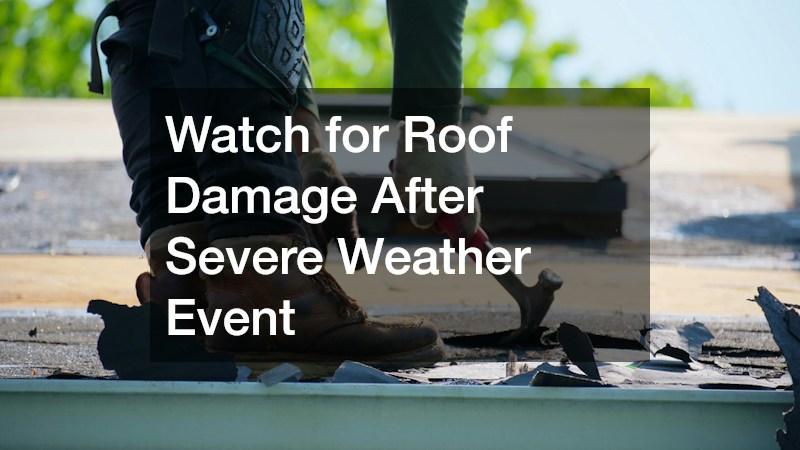
Hailstorms, high winds, and heavy snow loads can cause damage that is not obvious from a quick glance at your roofline. Bruised or cracked shingles may look fine from the ground but can fail completely during the next storm, letting water seep into your attic and eventually down into lower levels of the home. Even hail as small as one inch in diameter can knock granules loose, exposing the asphalt layer beneath and shortening a shingle’s lifespan by years. After any severe weather event, check for curled, missing, or lifted shingles, as well as dented or cracked flashing around chimneys and vents. Look inside your attic for water stains, damp insulation, or daylight coming through the roof deck, since these are often the first visible clues of a breach. Gutters and downspouts deserve attention too, as granule buildup inside them is a telltale sign of shingle deterioration. Homeowners in regions prone to hurricanes or tornadoes should be especially vigilant about post-storm inspections, ideally within 24 to 48 hours of a major storm passing. If you’re not comfortable climbing onto the roof yourself, use binoculars from the ground or hire a licensed inspector, since walking on storm-damaged shingles can cause additional harm. Documenting damage with photos immediately afterward also strengthens any insurance claim you may need to file.
After any severe storm, walk the perimeter of your house and look up: missing shingles, granules collecting in gutters, or a sagging roofline are early clues that water is already finding its way in. Even small punctures from hail or wind-driven debris can let moisture seep into the attic for weeks before a stain ever appears on your ceiling. Left unchecked, that trickle eventually works its way down through walls and into the basement. When it’s time for a replacement, consider investing in fortified roofing standards, since these systems are engineered with reinforced roof decking, sealed edges, and impact-resistant materials designed to withstand extreme weather. Fortified roofing typically includes sealed roof decking that keeps water out even if shingles are torn away, along with ring-shank nails and reinforced edges that resist uplift in winds exceeding 100 mph. This approach can significantly lower the risk of water infiltration during major storms and may even qualify you for insurance discounts of 10-20%, depending on your provider and region. Beyond the materials themselves, schedule a professional inspection after any hailstorm, hurricane, or windstorm rated severe by local weather services, even if you don’t see obvious damage from the ground. Many insurers require documentation within a set window—often 12 months—to file a valid claim, so timing matters. A stronger roof, paired with prompt post-storm checks, means fewer surprises trickling down into your basement after the next big weather event.
Clear Your Gutters Before They Cause Foundation Problems
Clogged gutters are one of the most common and preventable causes of basement flooding. When leaves, twigs, and debris block the flow of water, rain overflows the sides of the gutter and pools directly next to your foundation instead of being carried safely away. Over time, this constant saturation can crack foundation walls and create the perfect entry point for water to seep into your basement.
Routine gutter cleaning at least twice a year, more often if you have overhanging trees, keeps water moving where it should and away from vulnerable foundation walls. It also helps to check for sagging sections or separated seams, since even clean gutters cannot do their job if they are pulling away from the roofline. A few hours of maintenance each season can prevent thousands of dollars in water damage down the road.
Upgrade Gutters on Larger or Commercial Style Properties

Homes with large rooflines, multiple stories, or attached structures like garages and porches often need a more robust drainage solution than a standard residential gutter system can provide. Larger roof surfaces collect more water during storms, and undersized gutters simply cannot keep up, leading to overflow and pooling near the foundation. This is especially true for properties with complex rooflines that funnel water into a few concentrated areas, where valleys and dormers can double the volume of water hitting a single downspout. Standard residential gutters are typically 5 inches wide, but larger homes may need 6-inch K-style gutters or even commercial-grade box gutters to handle the increased water volume. A 6-inch gutter can move nearly 40% more water than a 5-inch system, which makes a significant difference during heavy downpours. Pairing wider gutters with larger 3×4-inch downspouts, rather than the standard 2×3-inch size, further reduces the risk of backups during peak flow. The number and placement of downspouts matters just as much as gutter size. A good rule of thumb is one downspout for every 20-30 feet of gutter run on larger homes, though heavily pitched roofs may need more frequent placement to prevent overwhelming any single point. Homes with multiple rooflines or attached additions may also benefit from independent drainage runs rather than tying everything into one system, since a single point of failure can put the whole house at risk. Material choice becomes more important at this scale as well. Aluminum works fine for many homes, but larger properties exposed to heavy snow loads or frequent storms may benefit from steel or copper gutters, which resist sagging and bending under the added weight and volume of water they’re designed to carry.
Larger homes, homes with steep or sprawling rooflines, and properties that function more like small commercial buildings often outgrow standard residential gutters. A typical 5-inch K-style gutter simply isn’t designed to handle the water volume generated by 3,000+ square feet of roof surface during a heavy storm. In these cases, commercial gutter installation techniques, such as larger diameter downspouts and reinforced hangers, can handle significantly higher water volumes without failing. Upgrading often means moving to 6-inch gutters paired with 3×4-inch downspouts instead of the standard 2×3-inch size, which can increase water-handling capacity by nearly 40 percent. Reinforced hangers spaced closer together, sometimes every 24 inches instead of 36, also prevent sagging under the added weight of heavy rainfall or debris. These systems are built to move water faster and more efficiently, which matters most during intense downpours when standard gutters tend to overflow. It’s also worth evaluating downspout placement and outlet count, since a single oversized downspout won’t help if water still has to travel too far across a long gutter run to reach it. Commercial-grade systems typically add extra outlets to shorten that distance and reduce standing water. If your property has struggled with basement moisture despite regular maintenance, an upsized gutter system might be the missing piece.
Grade Your Yard and Landscaping Away From the House
The slope of your yard plays a bigger role in basement flooding than most homeowners realize. If the ground around your foundation is flat or, worse, tilts toward the house, every rainstorm sends water pooling right where you do not want it. Simply regrading the soil so it slopes away from the foundation can dramatically reduce the amount of water pressure pushing against your basement walls.
For yards that have struggled with erosion or bare patches after regrading work, hydroseeding is a fast and affordable way to establish new grass that holds soil in place and improves drainage. The seed mixture typically germinates faster than traditional sod or dry seeding, which means less exposed dirt for rainwater to wash away. Healthy, well-established landscaping acts as a natural buffer that slows down runoff before it ever reaches your foundation.
Test Your Sump Pump Before Storm Season Arrives
A sump pump is often the last line of defense between a wet basement and a dry one, yet many homeowners never test theirs until it is too late. These pumps can fail due to old age, power outages, or simply being overwhelmed by more water than they were designed to handle. Testing your pump each spring by pouring a bucket of water into the sump pit is a simple way to confirm it kicks on and drains properly.
If your home does not have one, or if your existing pump is outdated, professional sump pump installation is one of the most effective investments you can make against basement flooding. A battery backup system is also worth considering, since many floods happen during storms that knock out power at the exact moment your pump is needed most. Do not wait until water is already pooling on your basement floor to find out your equipment cannot keep up.
Monitor Your Heating and Cooling System for Hidden Leaks
It is easy to overlook your HVAC system as a source of basement water damage, but condensate lines, humidifiers, and aging equipment can all leak slowly over time. Central air conditioners and high-efficiency furnaces produce condensation that should drain through a dedicated line into a floor drain or condensate pump; when that line clogs with algae or debris, water backs up and spills onto the floor instead. A furnace or air conditioning unit installed in the basement that is not draining properly can saturate the surrounding floor and walls without anyone noticing until damage appears. Whole-house humidifiers attached to your furnace are another common culprit, since a stuck float valve or cracked water panel can let water trickle out continuously rather than shutting off as intended. Older units are especially vulnerable, as rubber gaskets and plastic fittings degrade with age and are more likely to crack or separate. It is worth inspecting these connections at least twice a year, ideally when you swap out furnace filters or schedule seasonal maintenance. Musty smells, discolored flooring, or rust around your equipment are all signs worth investigating right away. Standing water or a faint drip sound near the unit, mineral staining on the floor, or a condensate pump that runs constantly can also signal a developing problem. Catching these clues early, before they progress to warped subfloors or mold growth, can save you from a far more expensive repair down the road.
Furnaces and air conditioners both produce condensation, and that moisture is supposed to drain away through a dedicated line rather than seep into your subfloor or nearby drywall. When that drain line clogs with algae or debris, water can back up and quietly spread across your basement floor for weeks before you notice a stain. Scheduling heating repair as soon as you notice unusual noises, inconsistent temperatures, or pooling water near the unit can prevent a minor leak from turning into a much bigger problem. Rusty streaks on the unit’s exterior, a musty smell near the vents, or a spike in your water bill are all subtle clues that something is wrong long before visible flooding appears. The evaporator coil in your air conditioner is another common trouble spot, since a dirty or frozen coil can melt and overwhelm the drain pan faster than it was designed to handle. Furnace heat exchangers can also crack over time, allowing condensation to drip into areas never meant to get wet. Because HVAC systems are complex, it is often worth having a qualified HVAC company perform an annual inspection to catch worn parts, clogged drain lines, or corrosion before they cause water damage. A thorough visit typically includes flushing the condensate line, checking refrigerant levels, and testing the condensate pump that many basement units rely on to push water uphill to a drain. Replacing a cracked drain pan or a failing pump usually costs far less than repairing warped flooring or mold remediation later. Keeping your heating and cooling equipment in good repair protects both your comfort and your basement.
Choose Basement Flooring That Can Handle Occasional Moisture

Even with the best prevention efforts, basements are inherently more prone to moisture than other parts of the home, which makes flooring choice an important consideration. Carpet and untreated wood can trap moisture and develop mold quickly after even minor water intrusion, making cleanup difficult and costly. Choosing a flooring material designed to tolerate occasional dampness gives you extra peace of mind and simplifies cleanup if water does get in.
Epoxy floors have become a popular choice for basements because they create a seamless, water-resistant surface that is easy to wipe down and does not absorb moisture the way carpet or laminate does. Beyond their practical benefits, epoxy coatings are also durable enough to handle storage, workshops, or home gym equipment without showing wear. If flooding does occur, a properly sealed epoxy floor makes recovery faster and less expensive than replacing soaked carpet or warped wood.
Protect Basement Windows From Sun, Condensation, and Drafts
Basement windows are often smaller and lower to the ground, which makes them prone to condensation buildup, drafts, and even minor leaks around aging seals. Over time, moisture that collects on window frames can seep into surrounding drywall or framing, creating hidden damage that goes unnoticed until it becomes serious. Inspecting the caulking and weatherstripping around basement windows once a year helps catch small gaps before they let in water or cold air.
Homeowners looking to manage light, temperature, and condensation in basement living spaces sometimes turn to motorized window shades, which can be programmed to open and close based on the time of day or sunlight exposure. This added control helps regulate humidity and temperature swings that contribute to condensation on window glass and frames. While shades will not fix a structural leak, they are a helpful tool for maintaining a more stable, moisture-resistant basement environment.
Basement flooding rarely announces itself with a single dramatic event. It is usually the slow accumulation of small, ignored warning signs, from a clogged gutter to a tired sump pump, that finally catches up with a homeowner during one bad storm. By walking through your roof, gutters, landscaping, mechanical systems, and basement finishes on a regular schedule, you can catch problems while they are still minor and affordable to fix. Take an afternoon this month to check these areas around your own home, and you will be far better prepared the next time the forecast calls for heavy rain.